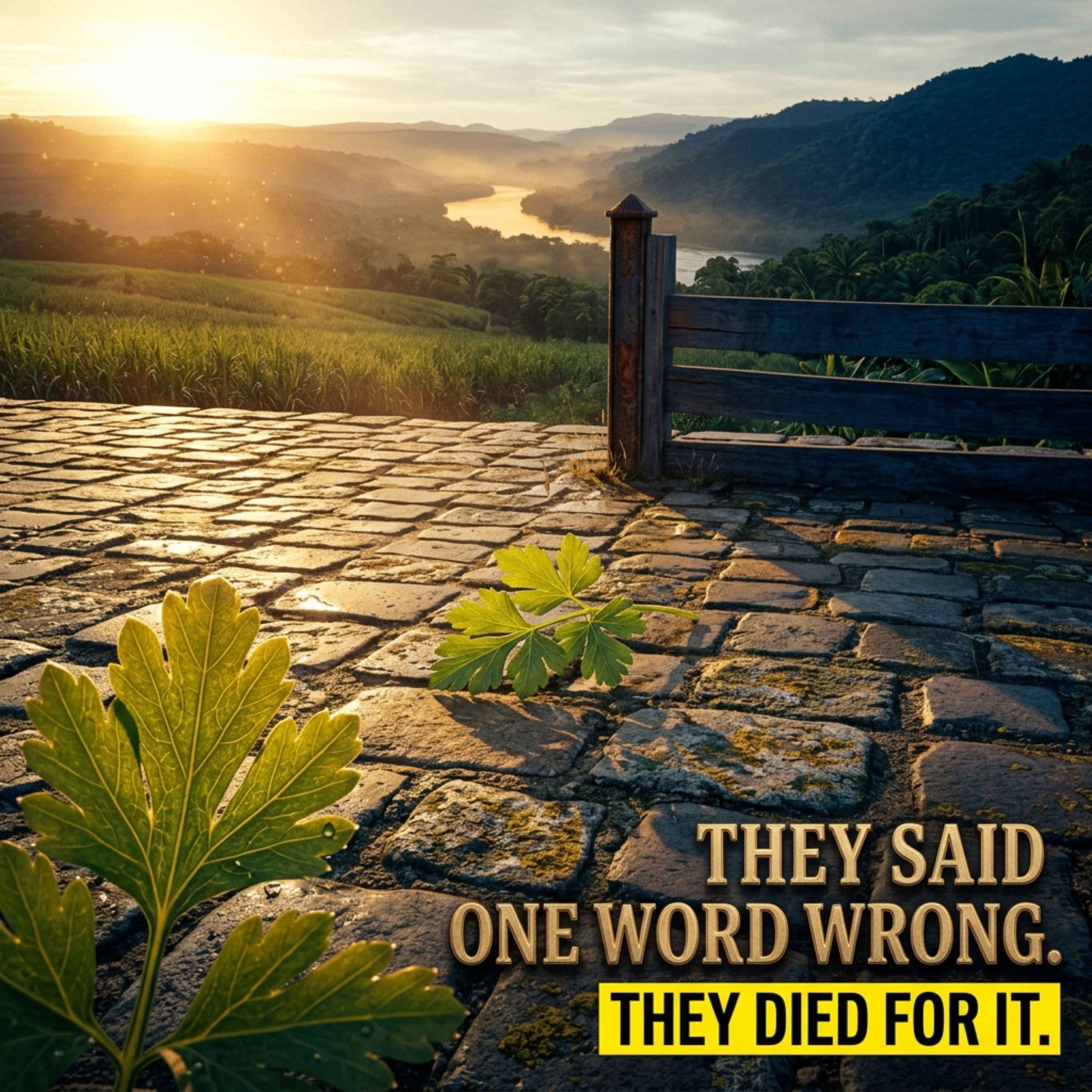
In October 1937, Dominican dictator Rafael Trujillo ordered the massacre of up to 30,000 Haitian workers along the Dominican-Haitian border. The method of identification was chilling in its simplicity: hold a parsley stem to a man's face and ask him to say the Spanish word for it. The rolled R that Spanish requires — a sound Haitian Creole speakers produce differently — became the line between survival and death. This episode of History of the Caribbean examines El Corte: how Trujillo's racial ideology built toward October 1937, what happened during the eight days of killing, how the international community settled it for $525,000 total, and how the same ideological framework resurfaced in a 2013 Dominican court ruling that stripped citizenship from 200,000 people of Haitian descent. History of the Caribbean is available wherever you listen to podcasts.
Discover the rich history of Antigua and Barbuda in this captivating journey through time. From the first settlers and the struggles of colonialism to...
This chapter delves into the final years of Rafael Trujillo’s dictatorship (1950-1961), his increasing paranoia, growing opposition, and the international pressures that led to...

In this episode, we delve into the intriguing interplay between invasive predators and the rich tapestry of Caribbean history and identity. As we explore...