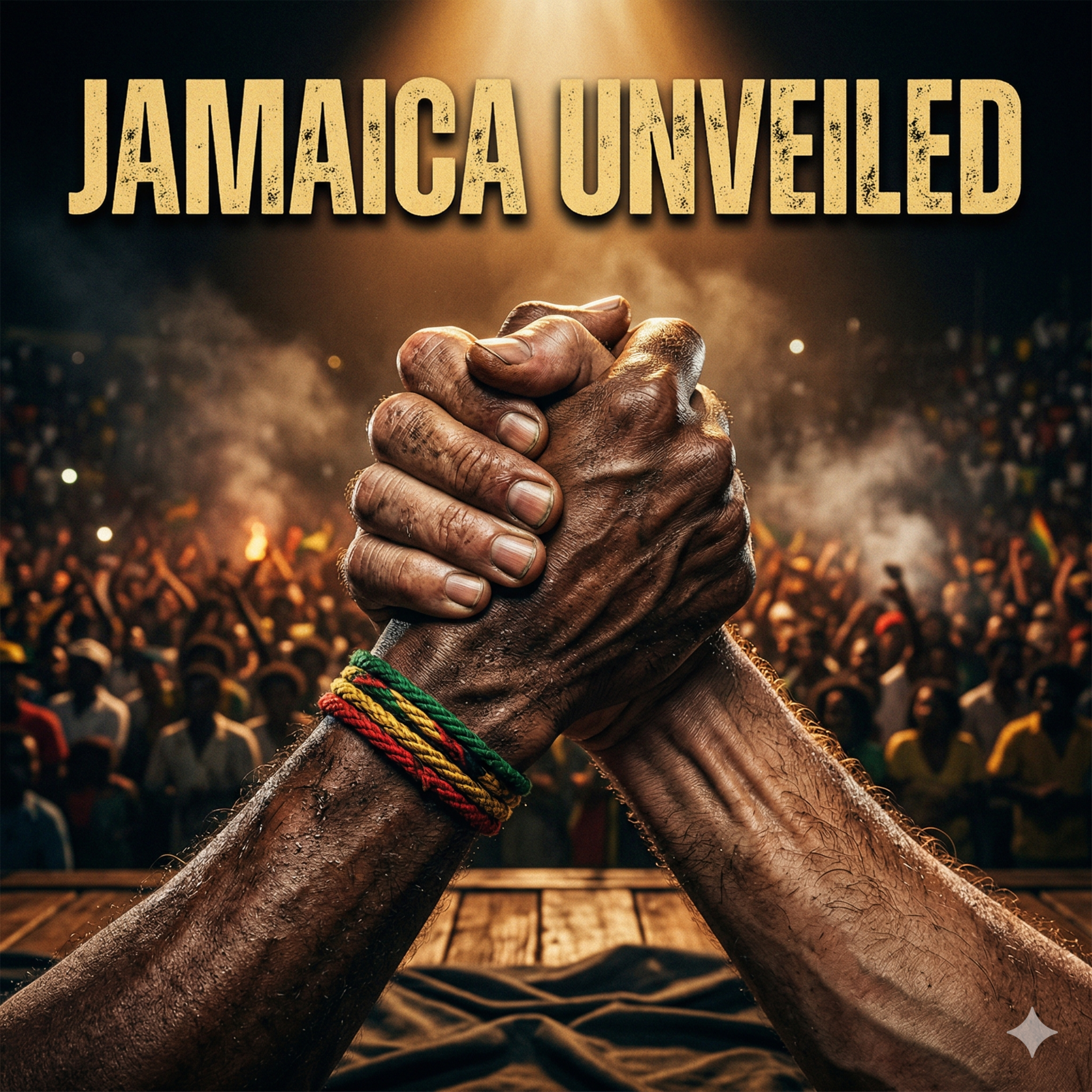
This narrative is a deep-immersion exploration of Jamaica’s dual identity: a land of volatile political fracturing and unparalleled cultural resilience. It traces the "Signal" of the island from the blood-stained streets of 1970s Kingston to the global diaspora in London, Toronto, and New York.
The story centers on the One Love Peace Concert of 1978, using the iconic moment where Bob Marley joined the hands of political rivals Michael Manley and Edward Seaga as a lens to examine the temporary nature of political treaties versus the permanent power of culture. It bridges the gap between the auditory fire of Roots Reggae and the physical theology of Ital and Jerk food traditions, revealing how both were born from a necessity for survival and resistance.
Ultimately, it is a tribute to the Jamaican diaspora—the people who carried the specific, irreplaceable frequency of the island across the water, transforming a nation of three million into one of the most influential cultural brands on Earth. It asks a final, biting question about the value of that influence and the price the island has paid to give its soul to the world.
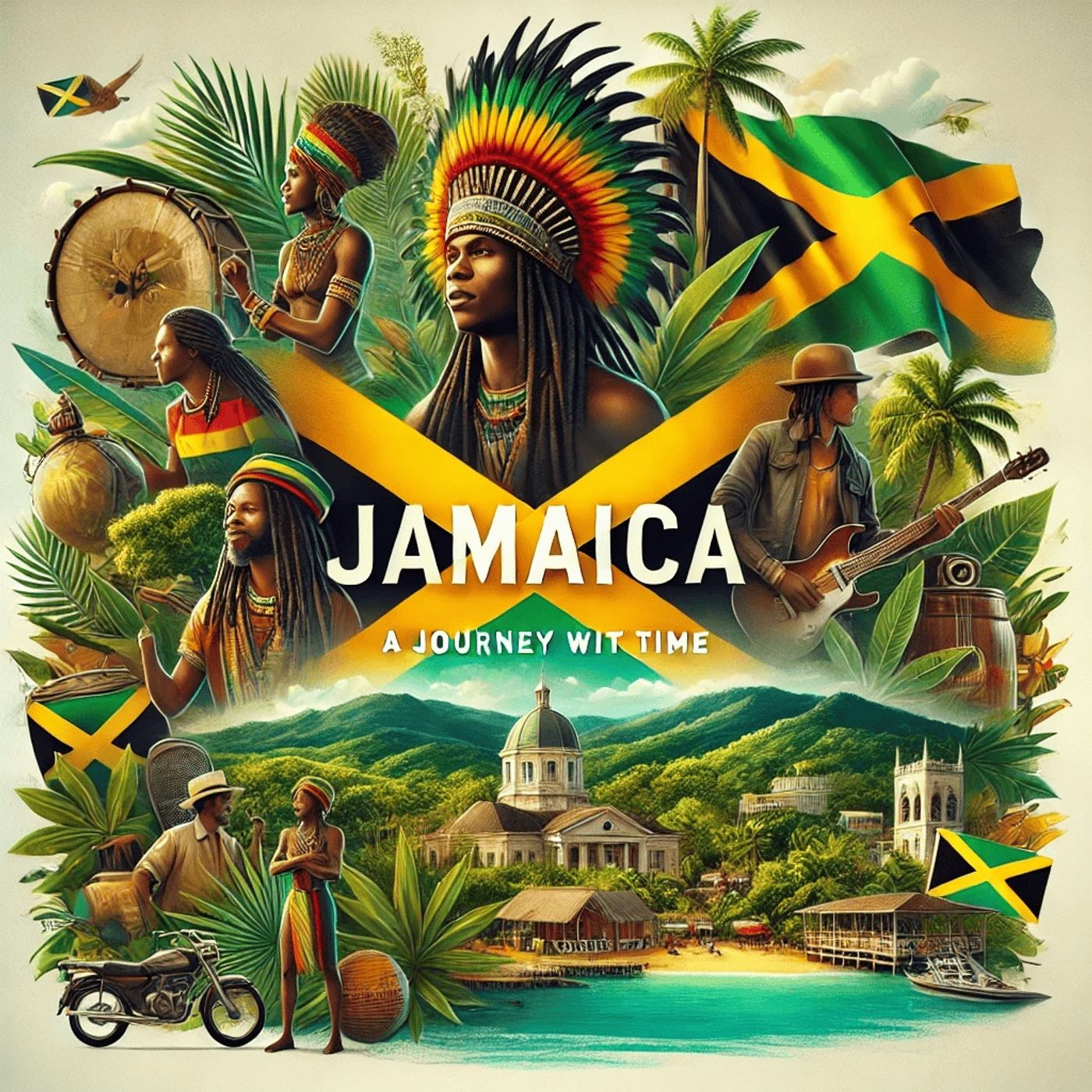
Embark on a captivating journey through Caribbean history with Jamaica: A Journey Through Time — a powerful audio documentary series that explores the island’s...

Jamaica’s garrison communities did not appear by accident. They were built through politics, housing, poverty, party loyalty, guns, and fear. In this episode of...
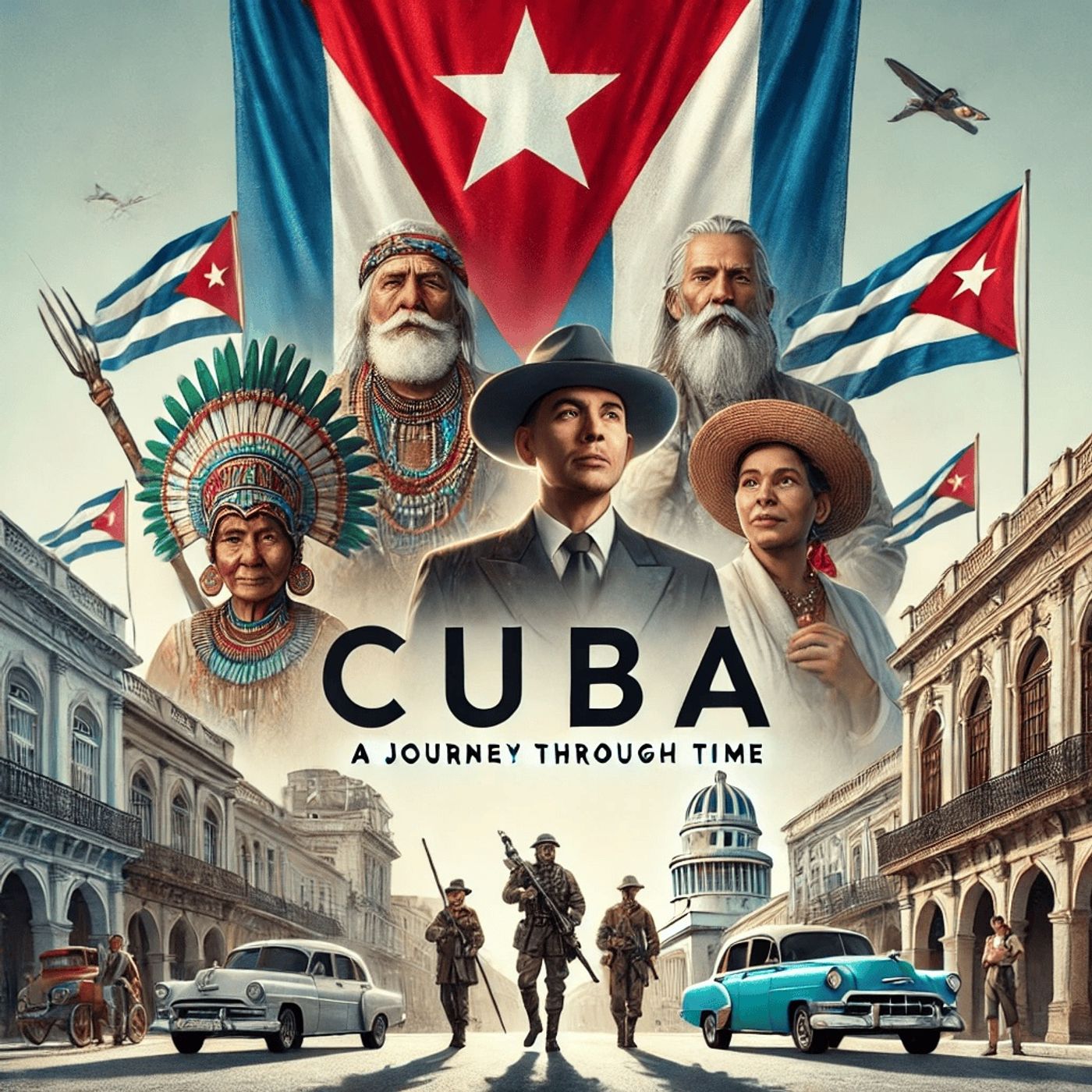
"The History of Cuba" is an epic, immersive storytelling podcast that takes listeners on a journey through the island's rich and tumultuous past. Spanning...