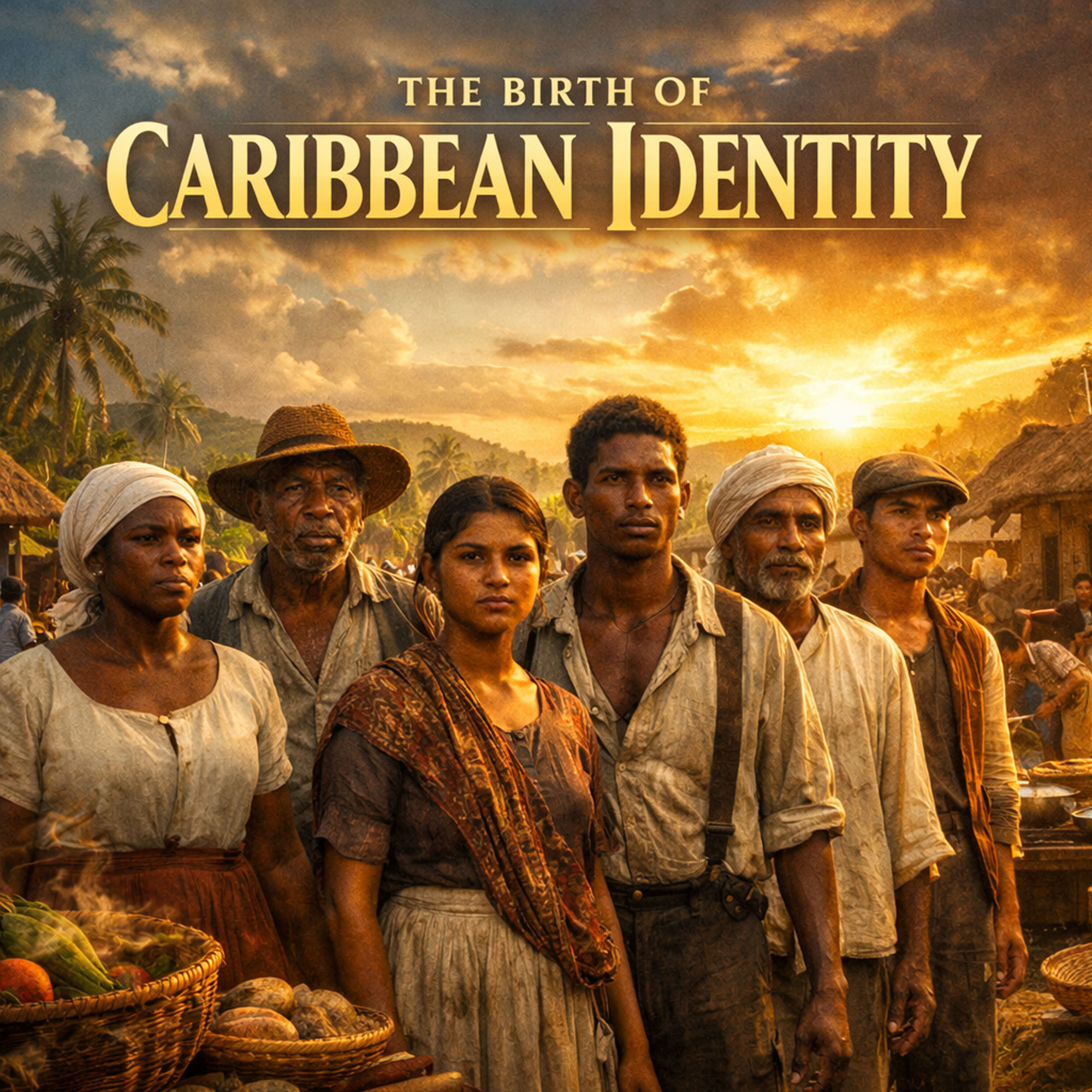
This episode examines how Caribbean identity formed in the century after emancipation, not through celebration or declaration, but through survival. It traces how formerly enslaved people and indentured communities navigated economic control, racial division, and constant surveillance while quietly building shared ways of living. Language, food, family structure, faith, and daily practice become the focus, showing how identity emerged outside official approval. The episode treats culture as a survival system shaped by pressure, adaptation, and memory, revealing how a distinctly Caribbean way of being took form before nations, flags, or independence movements existed.
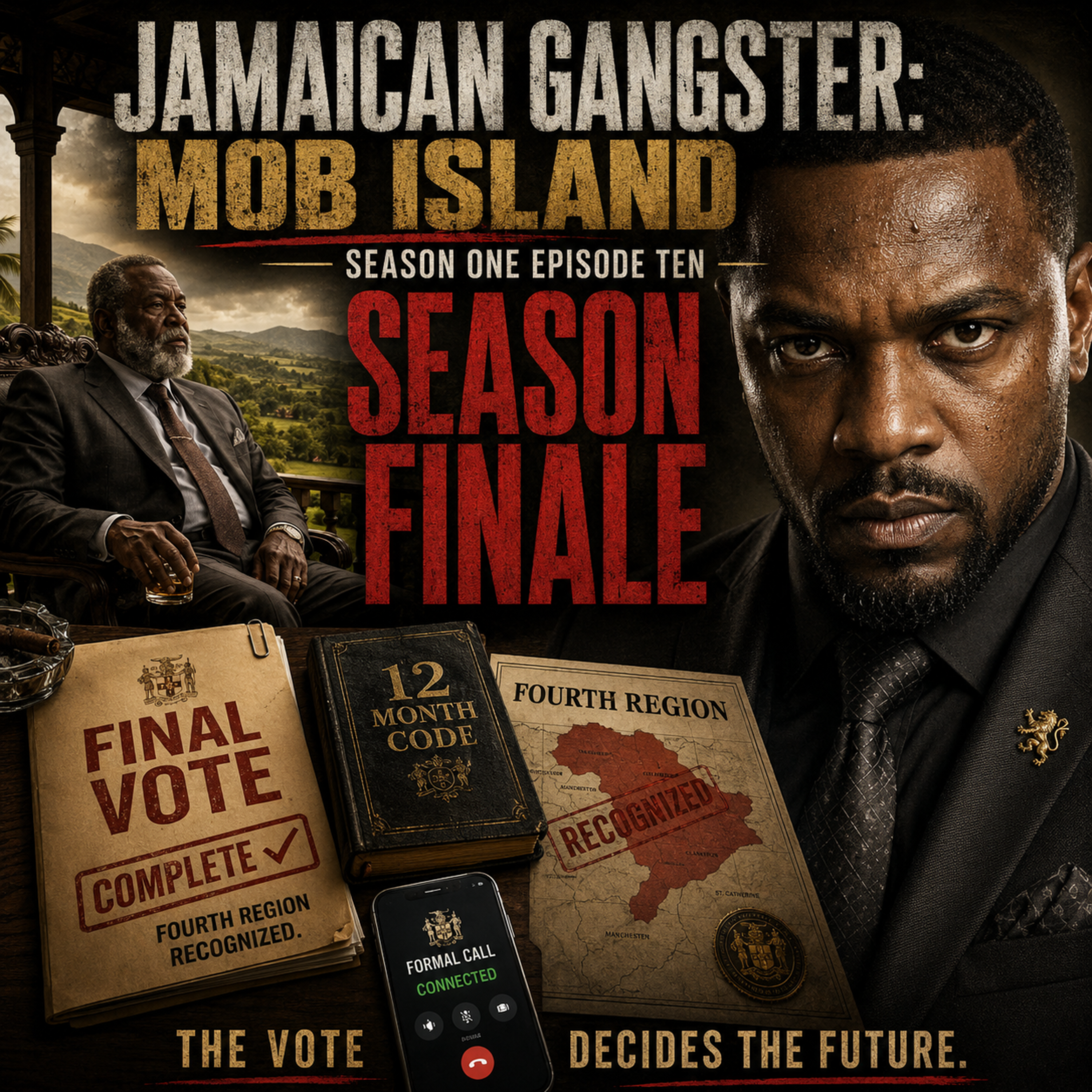
Character analysis reveals that every decision we make in isolation reflects our true self. Understand how voting defines you. This video explores the psychology...
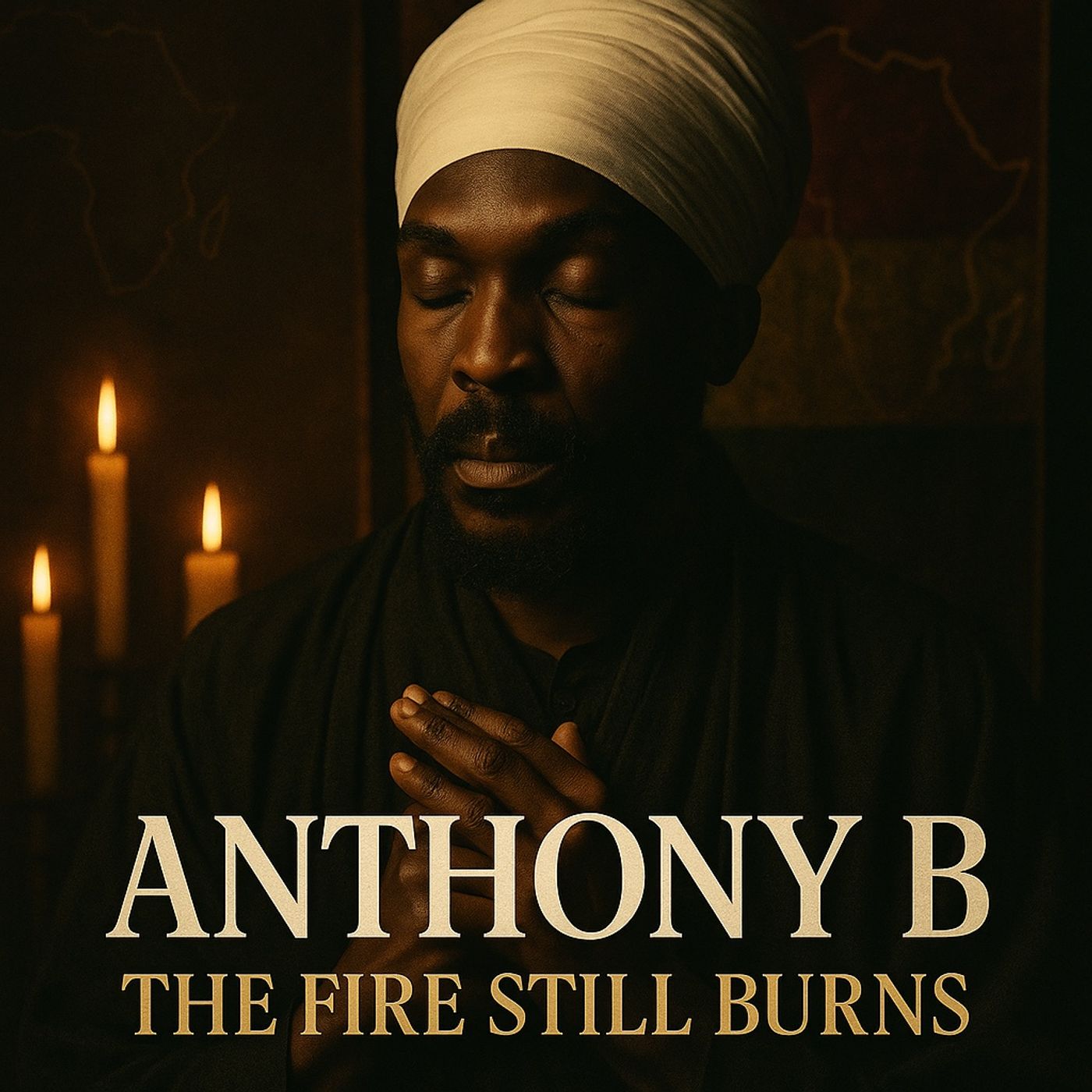
Before the world paid attention, Anthony B was already burning Babylon to the ground—lyrically, spiritually, and culturally. In an industry overrun by vanity and...
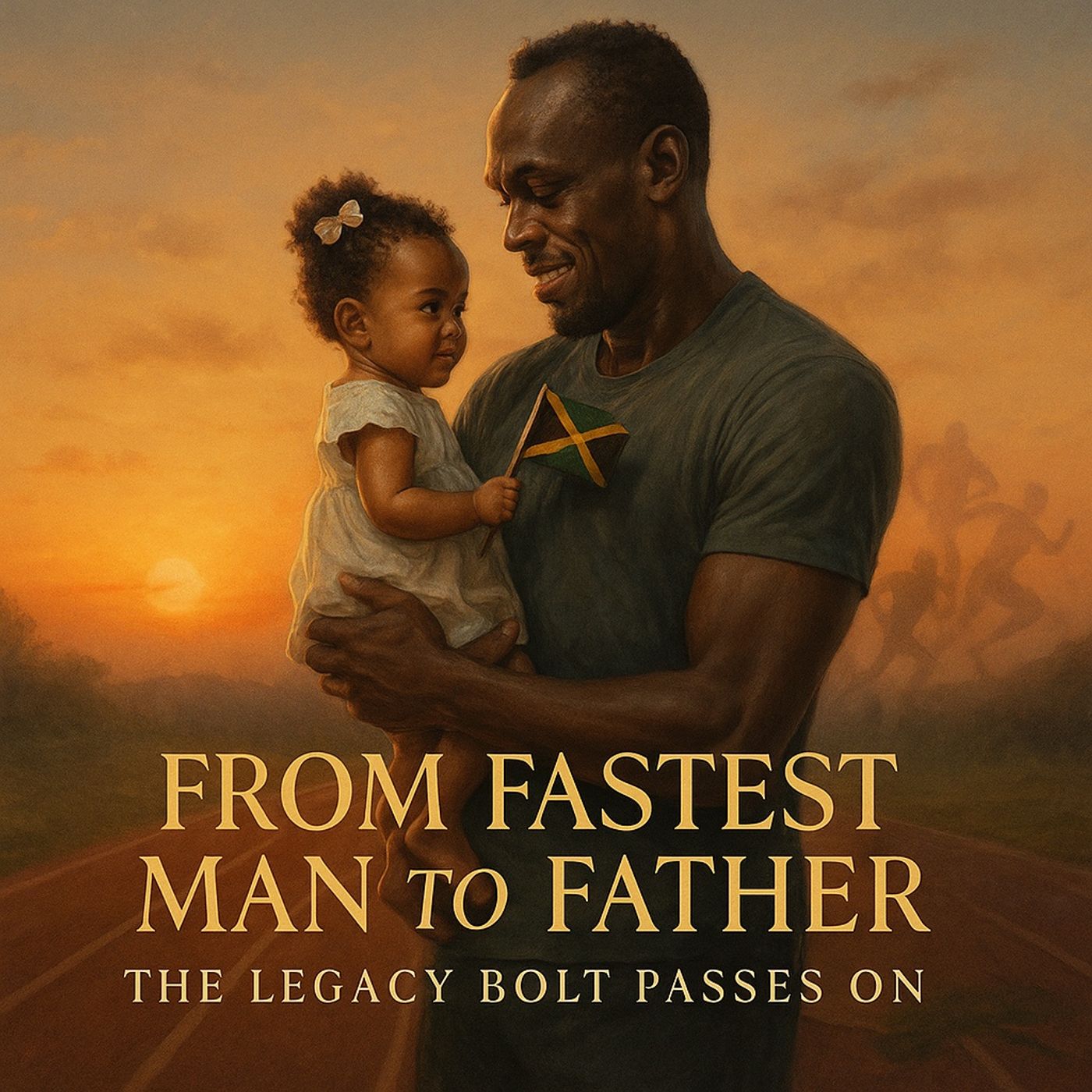
Jamaica history experts trace Usain Bolt’s quiet leap from world-record sprinter to devoted dad in this Caribbean history insight. Hear intimate crib-side sprints, new...