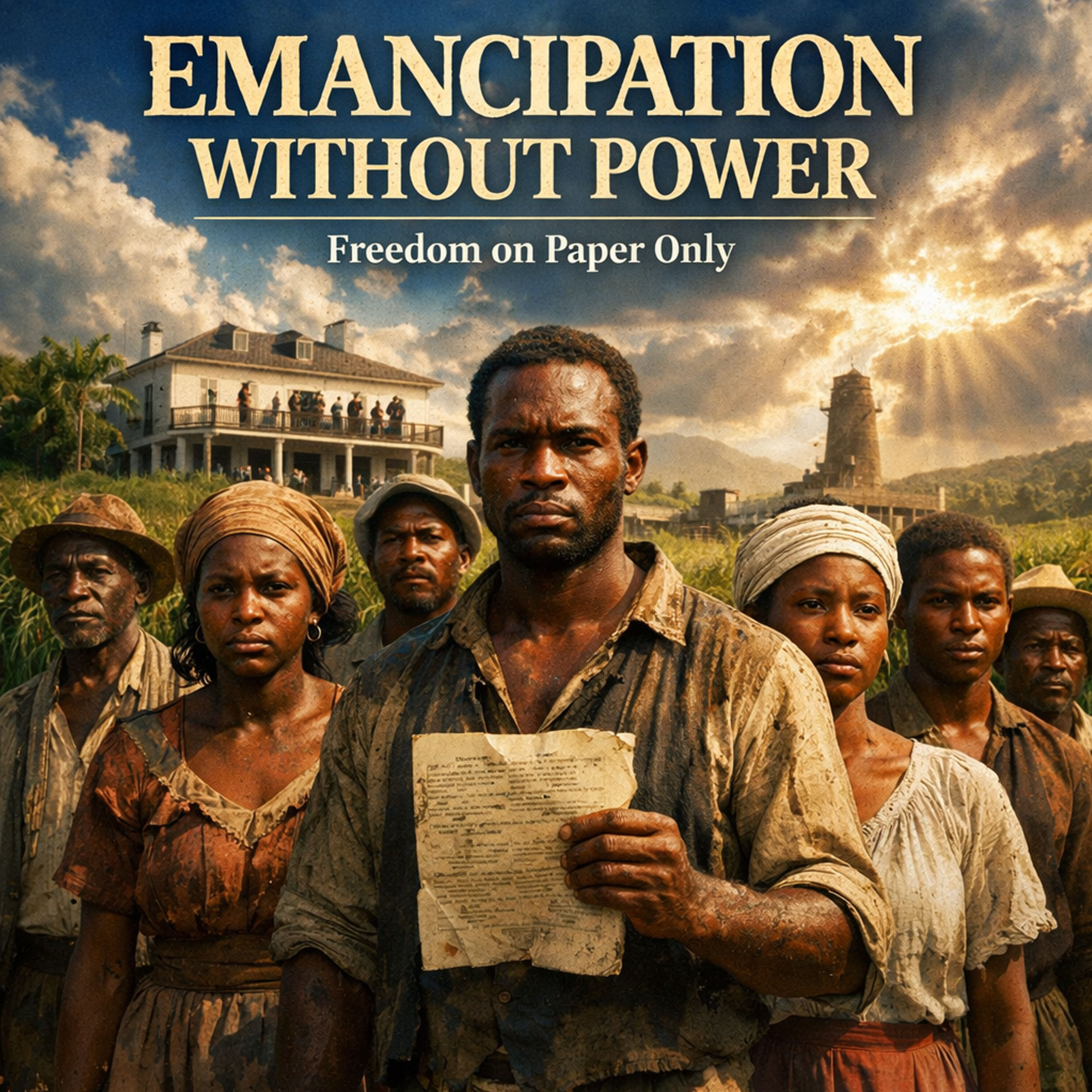
This episode examines emancipation in the British Caribbean after eighteen thirty four and exposes the gap between freedom declared and power denied. Slavery ended on paper, but control over land, labor, law, and wealth remained firmly in colonial hands. Through apprenticeship, wage suppression, land restriction, and imported indentured labor, the empire preserved plantation dominance while presenting emancipation as moral progress. The episode traces how freedom was managed, delayed, and reshaped to protect imperial interests, leaving generations legally free but structurally trapped. This is a story of betrayal built into law, economy, and governance, and of how that betrayal became the foundation of modern Caribbean inequality.
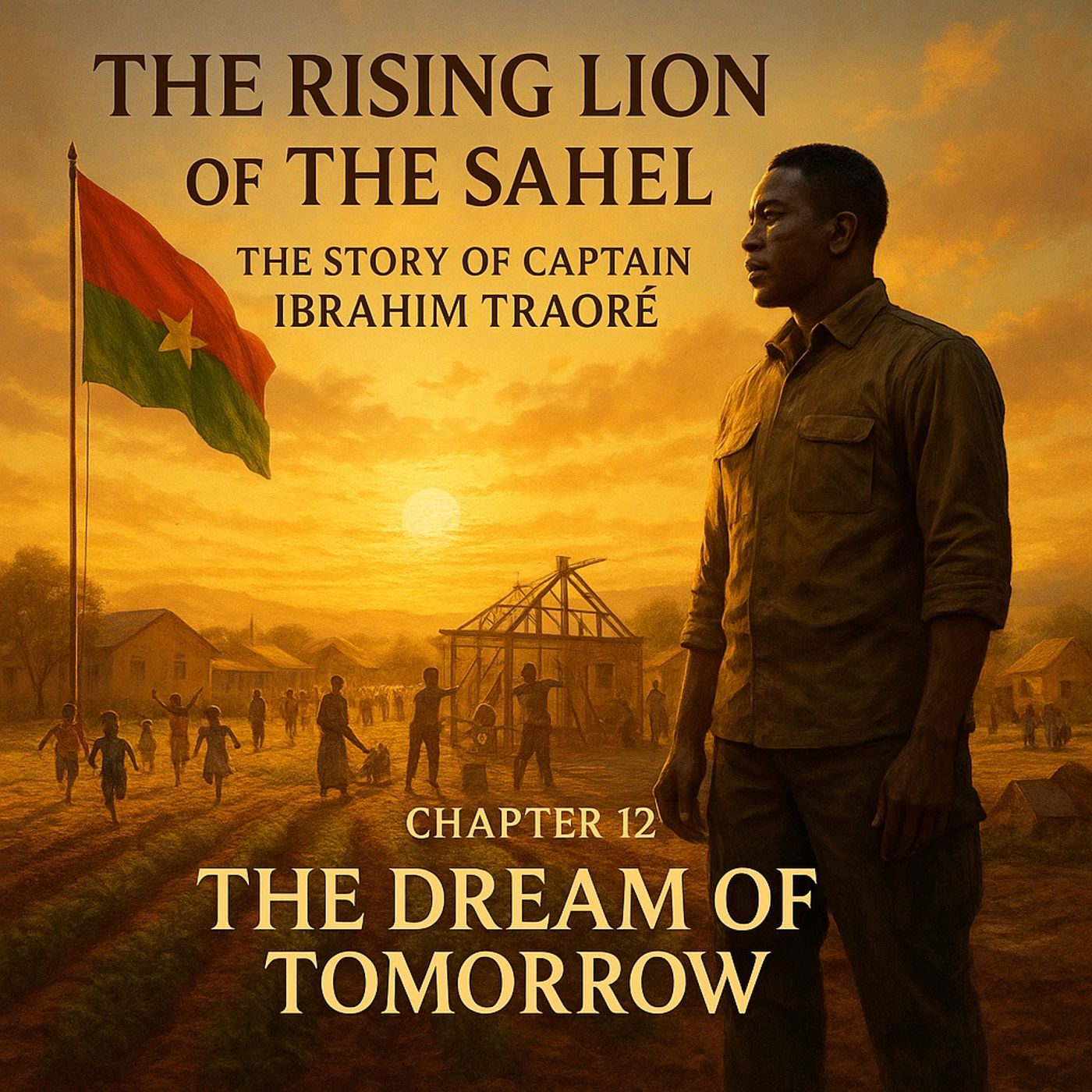
In Chapter 12 of The Rising Lion of the Sahel, Captain Ibrahim Traoré stands not before generals, but before farmers, students, mothers, and builders....

Night on the Catamaran: Freedoms Lost in the Caribbean Sea tells the true and haunting story of a peaceful sailing voyage that turned into...
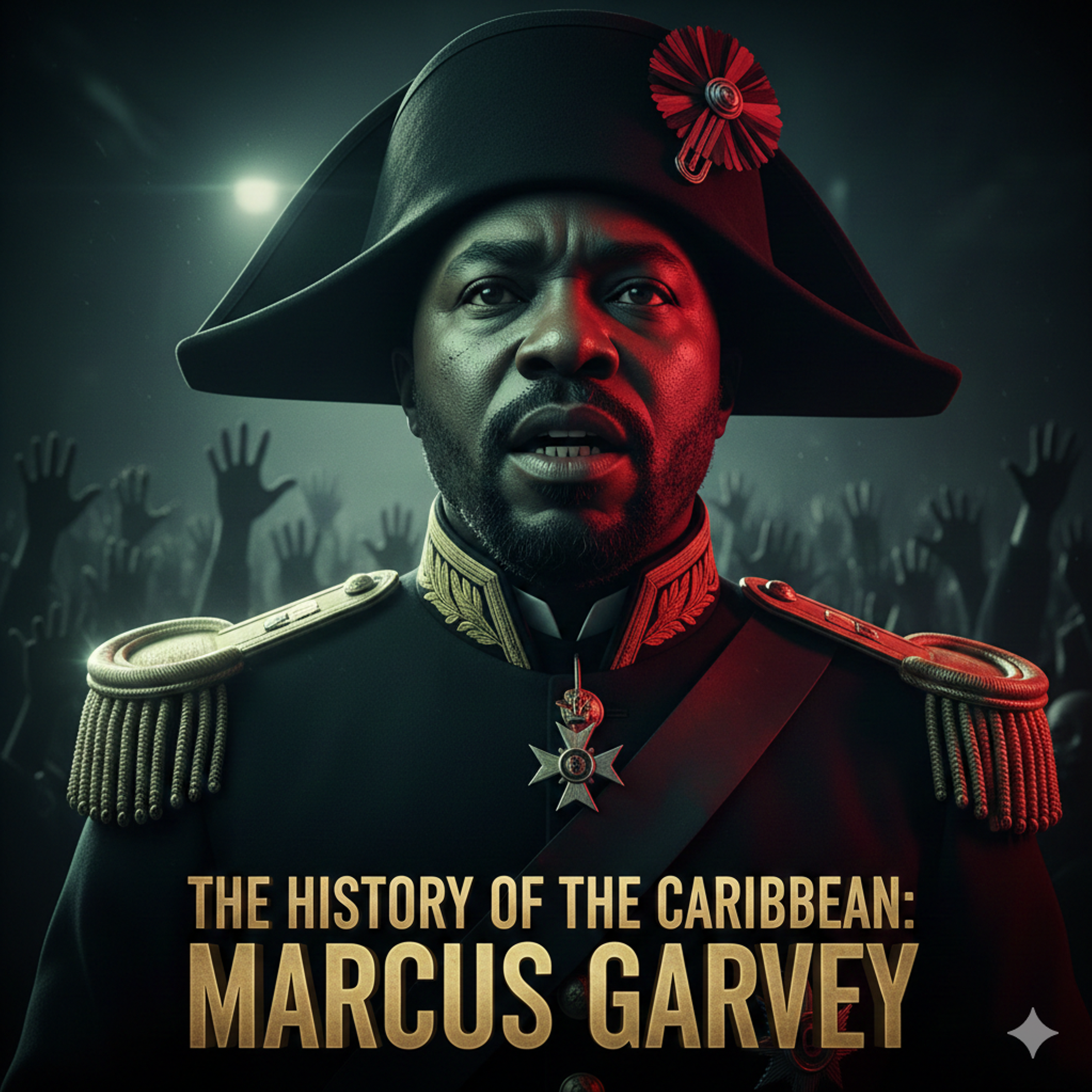
The Man Who Built an Empire of the Mind: Marcus Garvey. Before the Civil Rights Movement, there was Marcus Mosiah Garvey. In this episode...