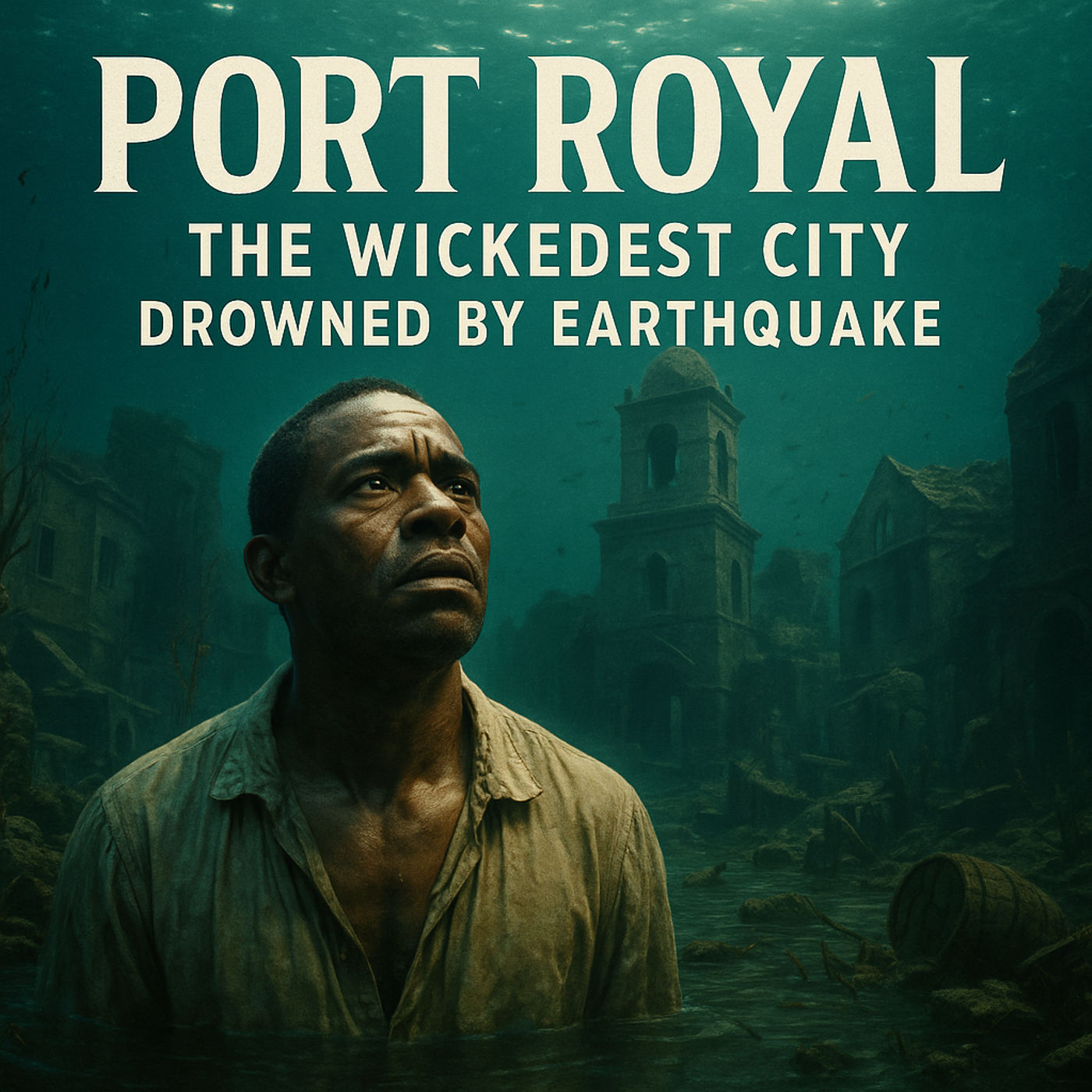
The narrative presents a comprehensive exploration of Britain’s transformation from a modest island kingdom into a global imperial force, foregrounding the complexities, contradictions, and moral tensions inherent in this rise. Jamaica functions as the central geographic and symbolic site through which these dynamics unfold. Within this framework, Port Royal serves not merely as a location but as a historical metaphor—encapsulating the ambition, excess, violence, and collapse that characterized the British imperial project in the Caribbean.
The description of Port Royal emphasizes its role as both a strategic naval base and a hub of sanctioned piracy during the seventeenth century. Figures such as Henry Morgan epitomize the convergence of criminality and state power, illustrating Britain’s willingness to legitimize violence when politically and economically advantageous. The city’s reputation as “the wickedest city on Earth” underscores its cultural significance as a space where wealth and vice coexisted, fueled by privateering profits and transatlantic commerce.
The narrative transitions from piracy to the institutionalized system of African enslavement, marking a decisive shift in British imperial strategy. The account details the traumatic experiences of enslaved individuals, emphasizing the brutality of plantation life, the psychological devastation of forced displacement, and the centrality of coerced labor to the thriving sugar economy. Sugar, in this portrayal, becomes more than a commodity: it is a material embodiment of human suffering, global trade, and imperial wealth.
The account also highlights the ideological and political conflicts surrounding abolition in the late eighteenth and early nineteenth centuries. Figures like William Wilberforce emerge as crucial actors in a contested moral landscape marked by tensions between humanitarian advocacy and entrenched economic interests. The eventual passage of the Slavery Abolition Act of 1833 is framed not as an endpoint but as the beginning of a prolonged struggle for equity, recognition, and justice, given the structural inequalities that persisted long after emancipation.
The modern implications of this history are addressed with equal rigor. The narrative examines how Britain’s colonial legacy continues to shape contemporary debates about race, national identity, historical memory, and systemic inequality. Ongoing movements for reparations and the reevaluation of public monuments reflect a society wrestling with its imperial past. Through this lens, the submergence of Port Royal in 1692 becomes a symbolic moment—a catastrophic collapse that mirrors the moral contradictions embedded within British imperial power.
Overall, the description illustrates the continuous tension between national pride in maritime expansion and the moral reckoning necessitated by centuries of exploitation. The narrative argues that Britain’s future identity depends on its willingness to acknowledge, confront, and learn from the complexities and traumas of its imperial history.
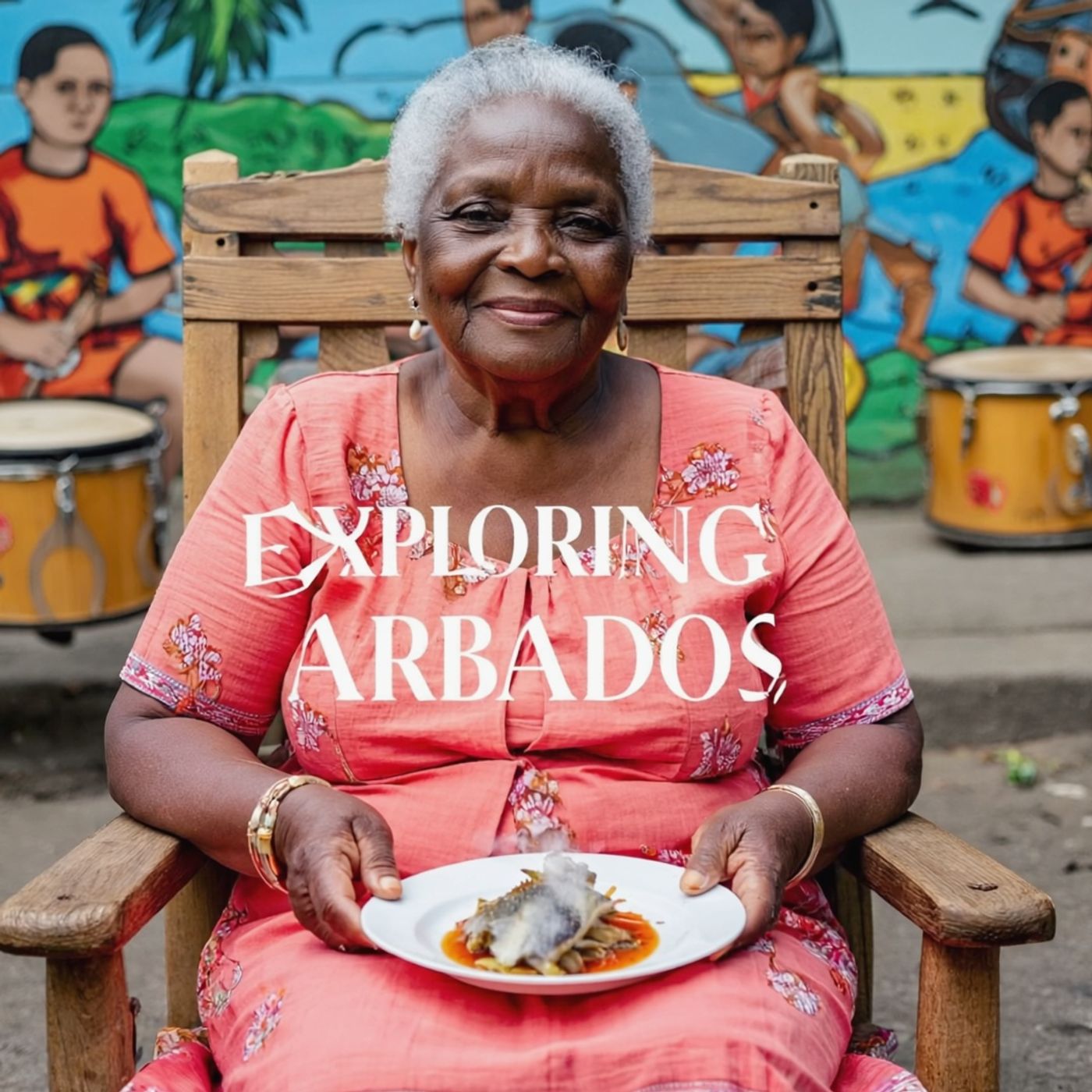
Embark on an unforgettable exploration of Caribbean history and cultural vibrancy in this deep dive into the island of Barbados. Hosted by travel experts...
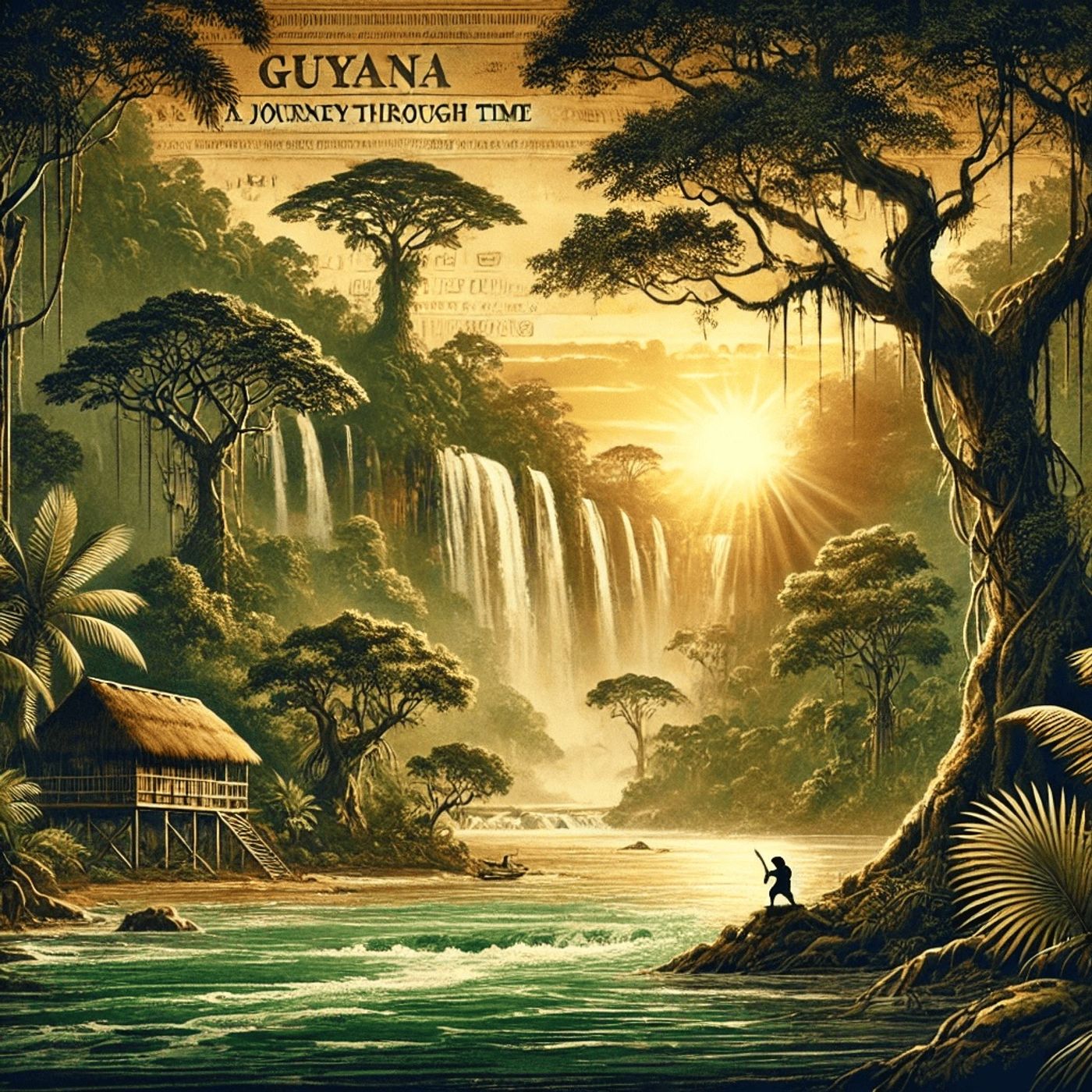
Dive into the rich and captivating history of Guyana, a nation of remarkable resilience, cultural diversity, and natural beauty. From its early indigenous roots...
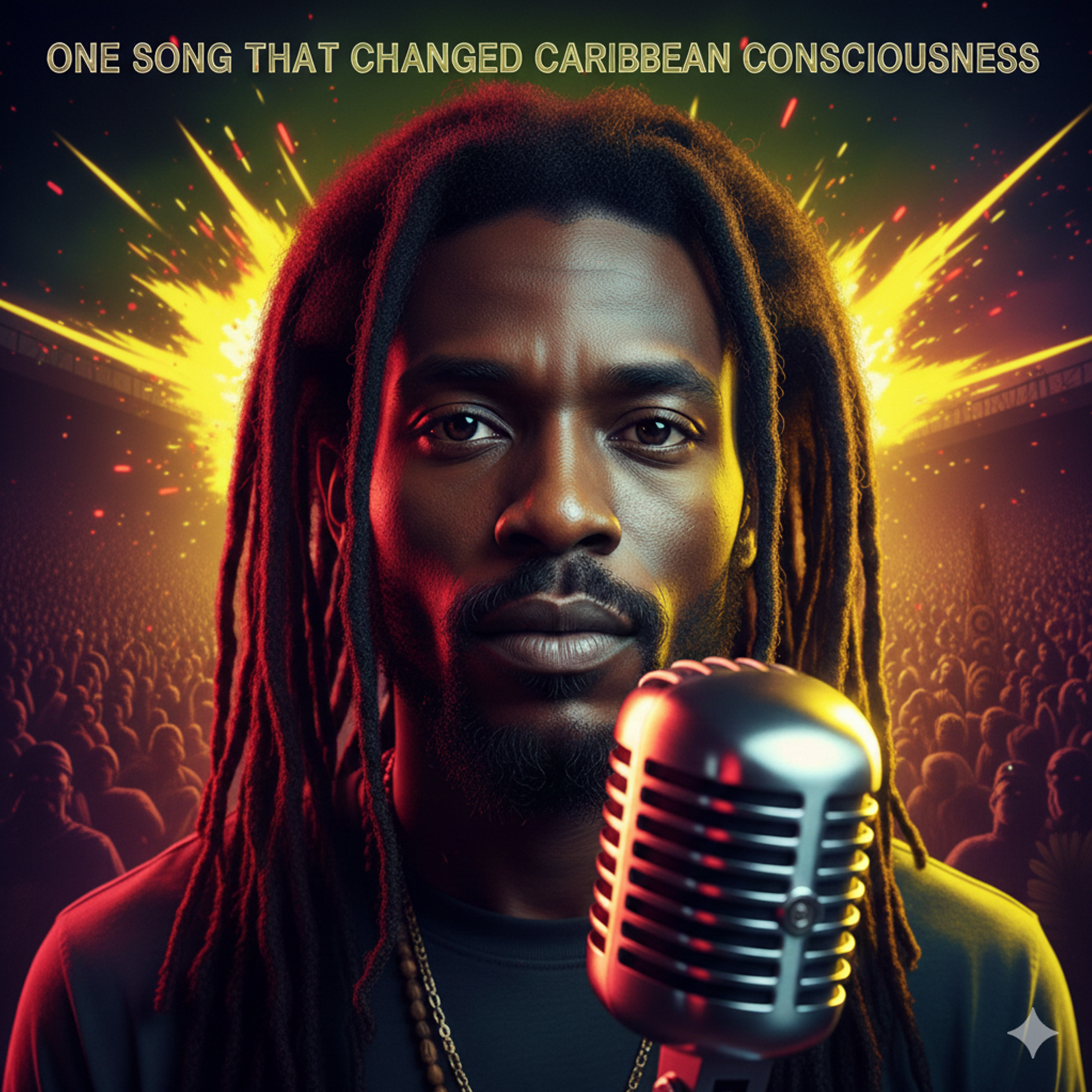
This episode of THE HISTORY OF THE CARIBBEAN explores the transformative power of sound through three pivotal moments where music bypassed political machinery to...