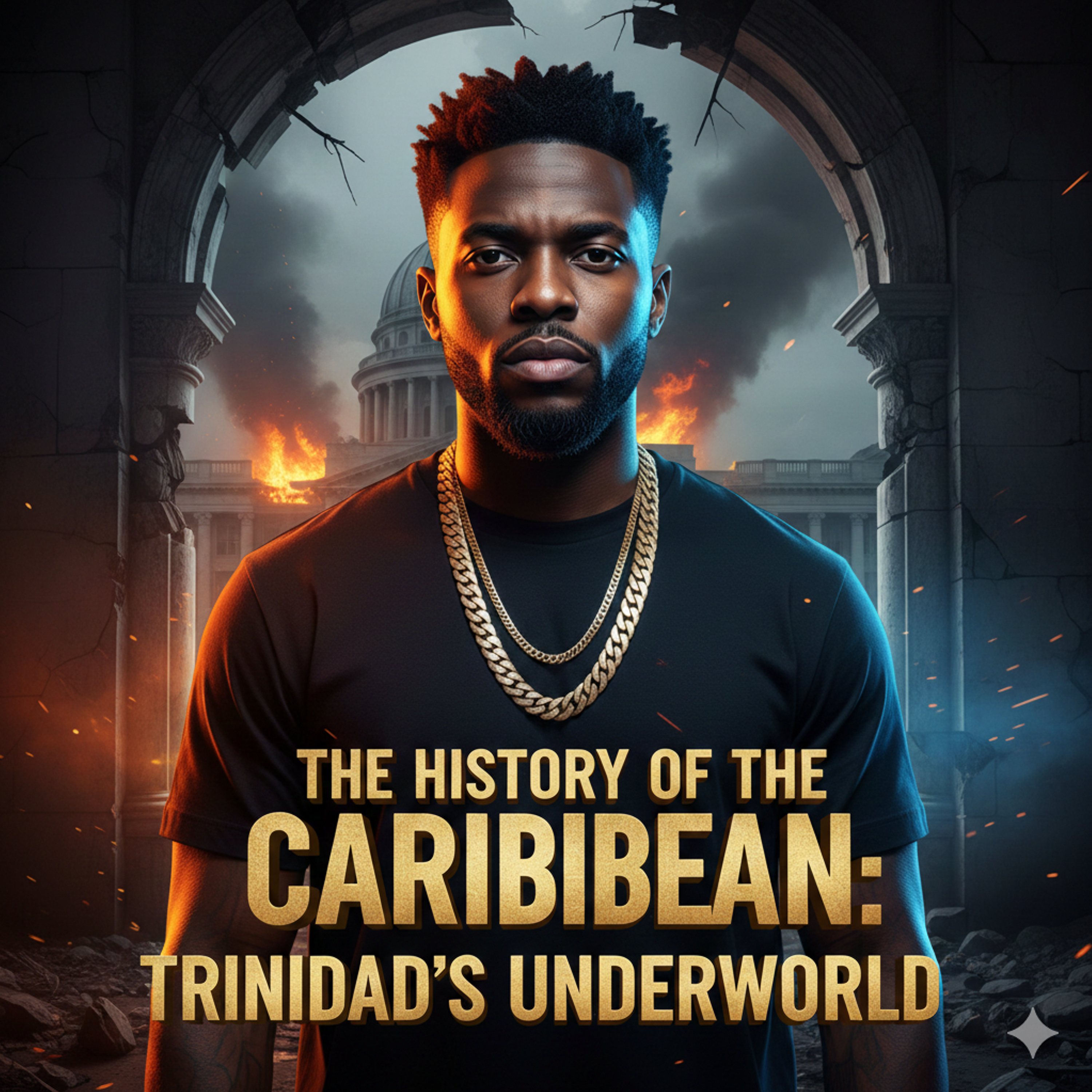
In 1990, a televised coup attempt brought Trinidad and Tobago to its knees. But the smoke from the Red House was only the beginning. This episode of THE HISTORY OF THE CARIBBEAN explores how decades of state neglect transformed marginalized neighborhoods into powerful, independent fiefdoms.
From the fractured foundations of the nineties to the rise of the modern "Supergang," we trace the evolution of the "Community Leader" system—an era where the government essentially outsourced its authority to the street. We examine the rise of the "Muslims" and "Rasta City" factions, the impact of government-funded programs on gang financing, and the heavy human cost of a society that chose to look away.
This is a gritty, grounded look at crime and power, centering on the victims and the communities left in the wake of systemic failure. This isn’t just a story of violence; it’s a story of a state that retreated and the shadow that grew to fill the void.
In this episode:
The 1990 Coup: The day the state signed a deal with its insurgents.
Outsourced Authority: How social programs became the bank for organized crime.
The Supergang Era: The transition from neighborhood defense to transnational industry.
The Siege of Silence: Breaking down the cultural and psychological impact of neglect.
Subscribe for more long-form Caribbean history.
In a world chasing fame and flash, one man dared to sing about faith, resistance, and righteousness. Luciano, known as The Messenger, didn’t just...
In this fiery insight, we explore Peter Tosh’s moral code—the sacred standard that made him the most uncompromising voice in reggae. From his lyrics...
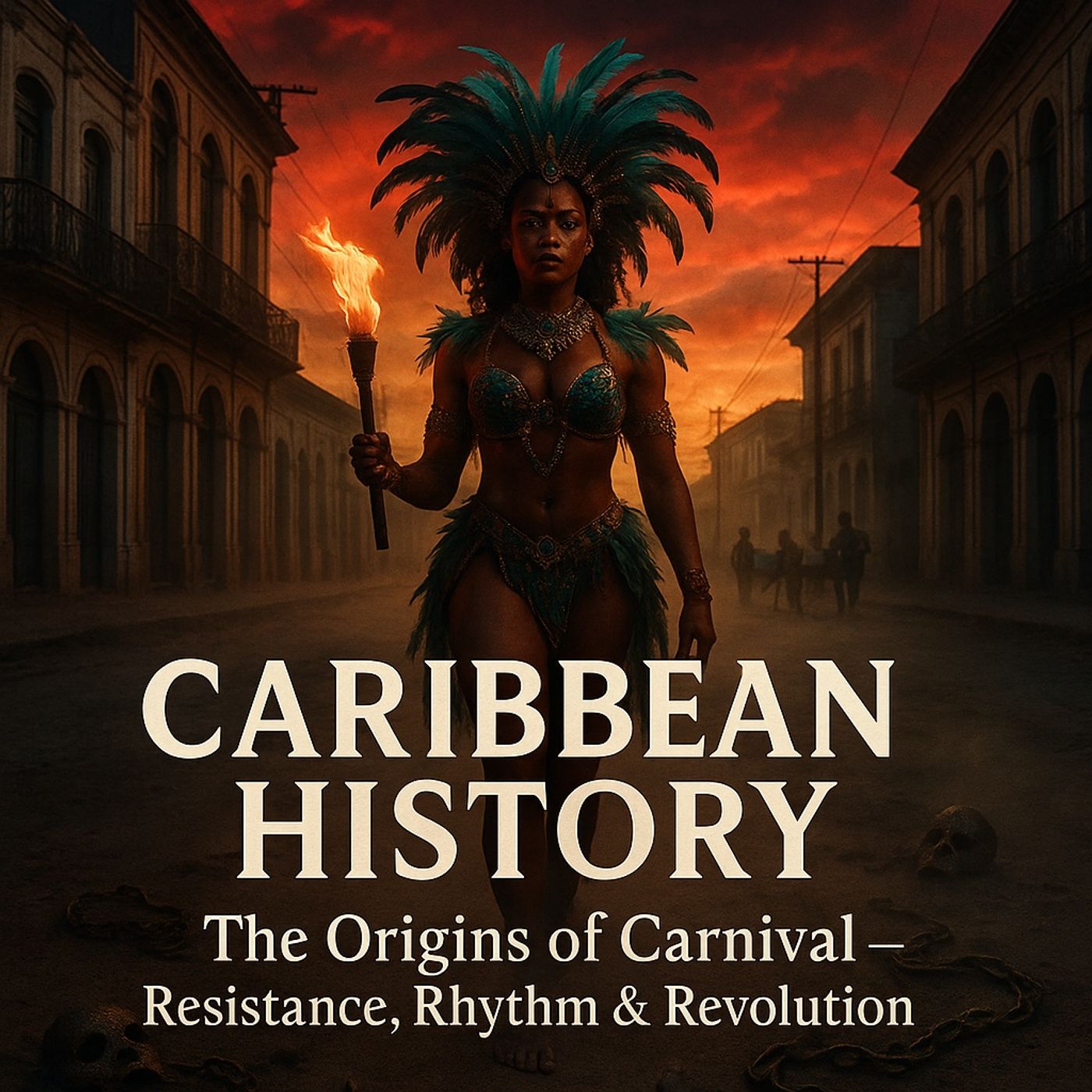
What if Carnival wasn’t just a celebration—but a battlefield for survival? In CARIBBEAN HISTORY: The Origins of Carnival — Resistance, Rhythm & Revolution, this...