Easter Sunday, 1816. Barbados. Thousands of enslaved people rose up and burned the cane fields — and the woman who told them why they had to do it has been erased from the story for 210 years. Nanny Grigg was enslaved at Simmons Plantation in Saint Philip. She could read. She followed the British Parliamentary debates about the Registry Bill. She gathered people and explained what the newspapers said — that freedom had been granted in England and the planters were hiding it. Her words, preserved in the colonial trial records that followed the rebellion, show she built the political consciousness that made Bussa's military operation possible. This episode reads those records against the archive that created them, and asks why Caribbean history has kept her in the footnotes for two centuries. The History of the Caribbean | New episodes weekly on all major platforms.
Master the Gallus class to identify exactly what type of man you are dealing with. Stop guessing and start analyzing male behavior. Most men...
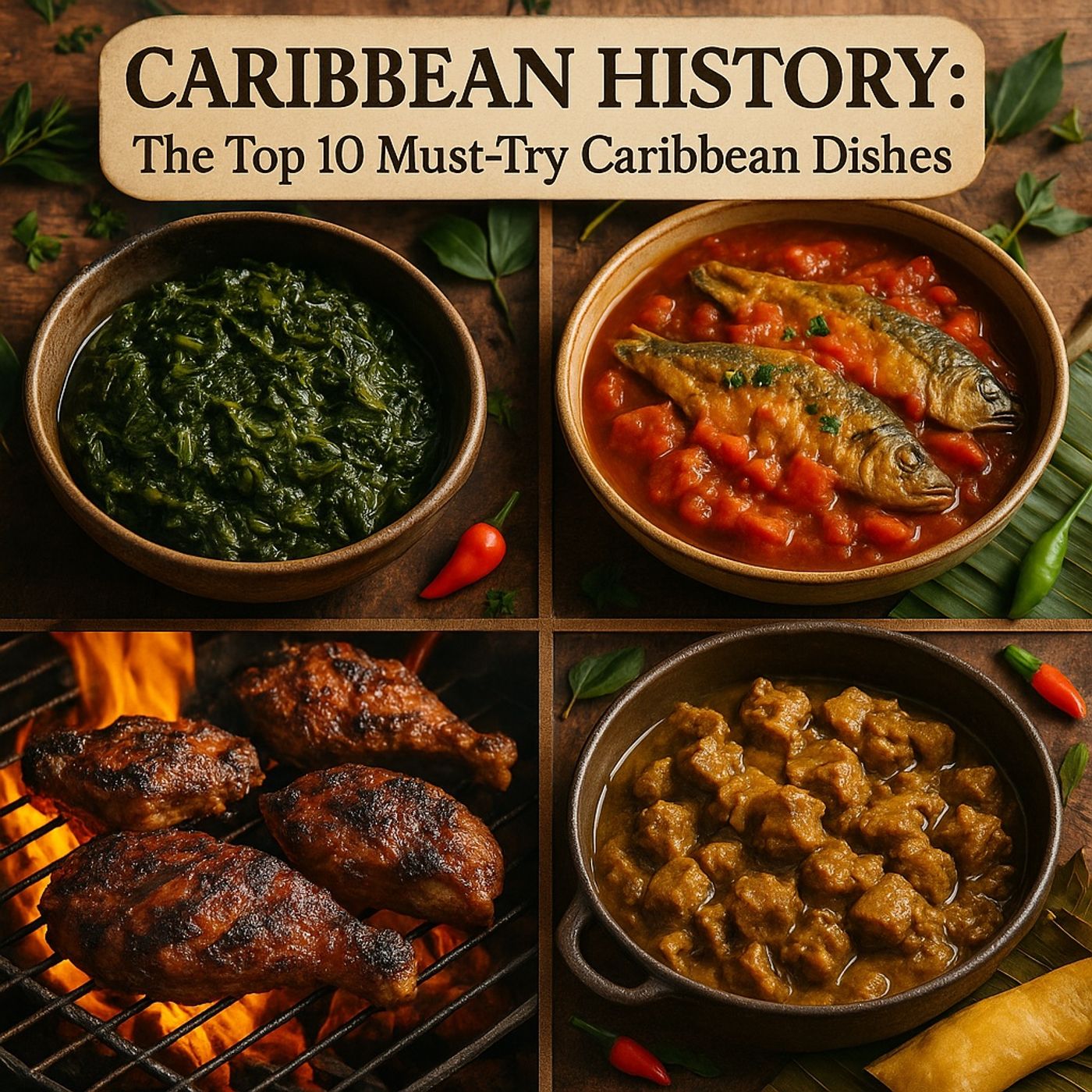
Step into the pot and stir the past. This immersive Caribbean History audiobook documentary takes you beyond recipes and deep into the cultural heart...
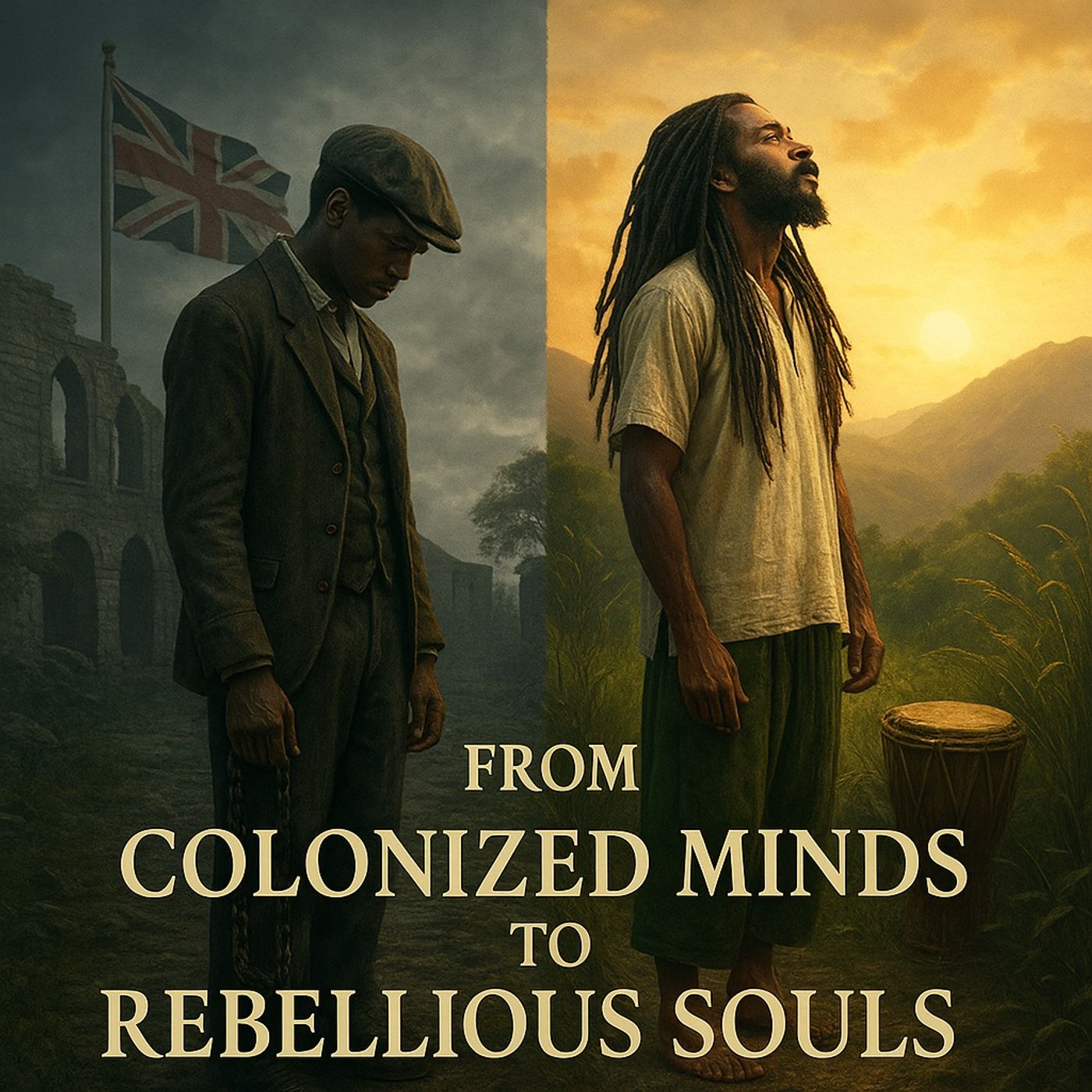
Freedom did not arrive with the fall of chains—it came much later, and it came from within. In this gripping chapter, we explore post-emancipation...
