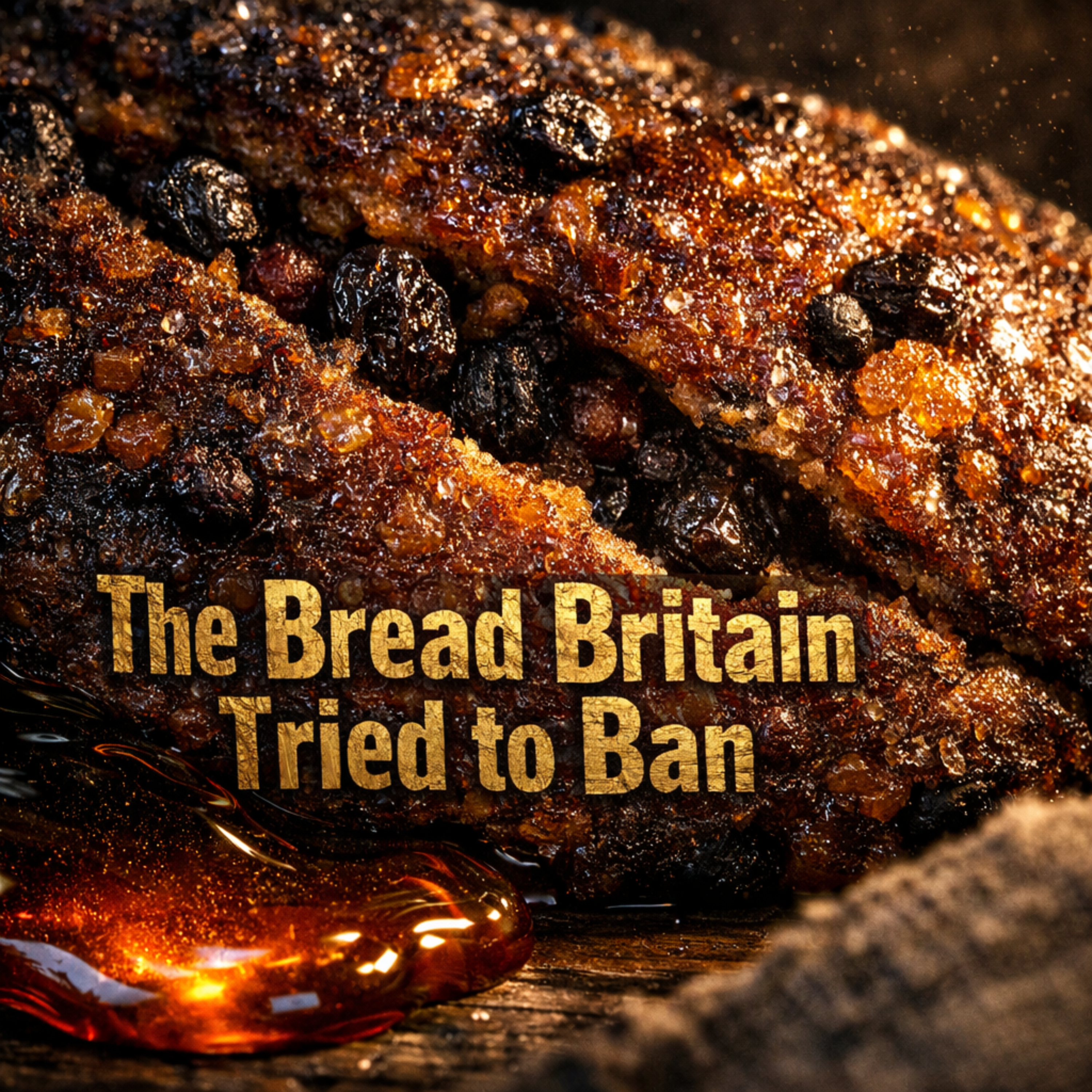
Britain banned this bread. Jamaica remade it with the byproduct of slavery — and the person who did it left no name behind.
In fifteen ninety-two, Queen Elizabeth the First's government restricted the sale of spiced cross-marked buns to three occasions only: Good Friday, Christmas, and burials. The bread was too old, too symbolic, too loaded with pre-Christian meaning the church could not fully control. A century later, Britain seized Jamaica and brought that bread with them. What happened next was never recorded — not because it wasn't significant, but because the colonial archive was never built to record the decisions of the people it had enslaved.
Caribbean Women’s Voices dives into caribbean history, black history, and the enduring resilience of island communities—stories too often muted by colonization and media gatekeeping....
This chapter explores Mexico's transformation in the 21st century, from the fall of the PRI's absolute rule to the rise of democracy, the devastating...
"St. Martin: A Legacy Unwritten" is a deeply immersive and masterfully documented storytelling podcast that traces the rich history, culture, and resilience of St....