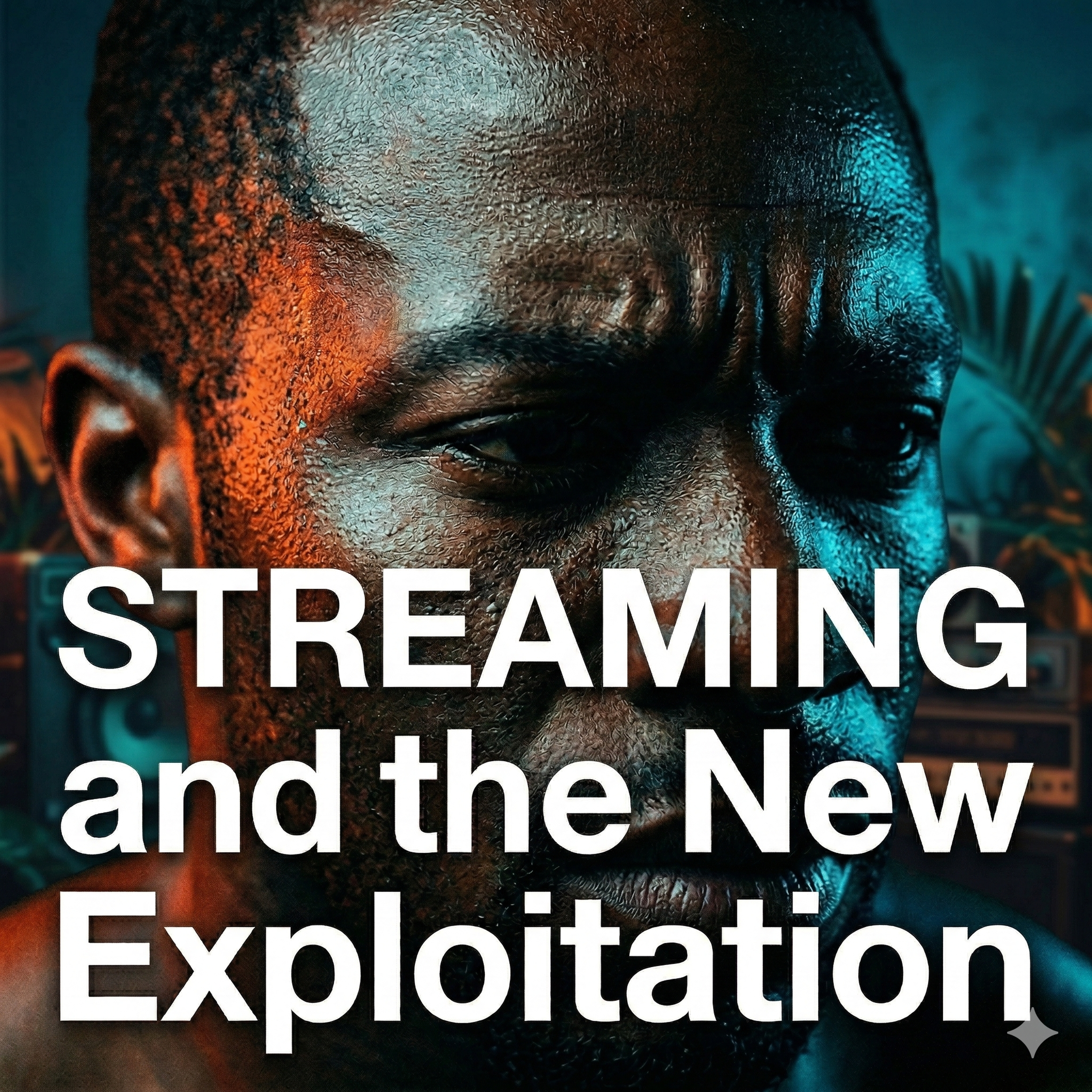
The digital age promised a revolution for Caribbean creators, but beneath the surface of global connectivity lies a new system of extraction. This episode of THE HISTORY OF THE CARIBBEAN investigates the transition from the physical power of the sound system to the invisible gatekeeping of the streaming algorithm. We trace the shift from the nineteen nineties era of tangible ownership—where vinyl and compact discs fueled local economies—to the modern "digital plantation" where artists are paid in fractions of a cent. From the vanishing revenues of the Trinidadian Road March to the high cost of data in Kingston and San Juan, we expose the mathematical trap that forces our most influential voices to struggle for basic survival while their rhythms generate billions for Silicon Valley boardrooms.
We explore how the flattening of our culture into generic "World Music" buckets serves as a form of digital segregation, stripping the revolutionary soul from reggae, soca, and dancehall to satisfy a global background vibe. This is a story of dispossession, but it is also one of resistance. As creators seek a modern form of marronage through independent distribution and a return to physical media, we ask the critical question: Can our culture survive if its creators cannot afford the rent? Join us as we examine the structural inequities of the modern music industry and the fight for digital independence in a world that loves the Caribbean sound but ignores the reality of its people.
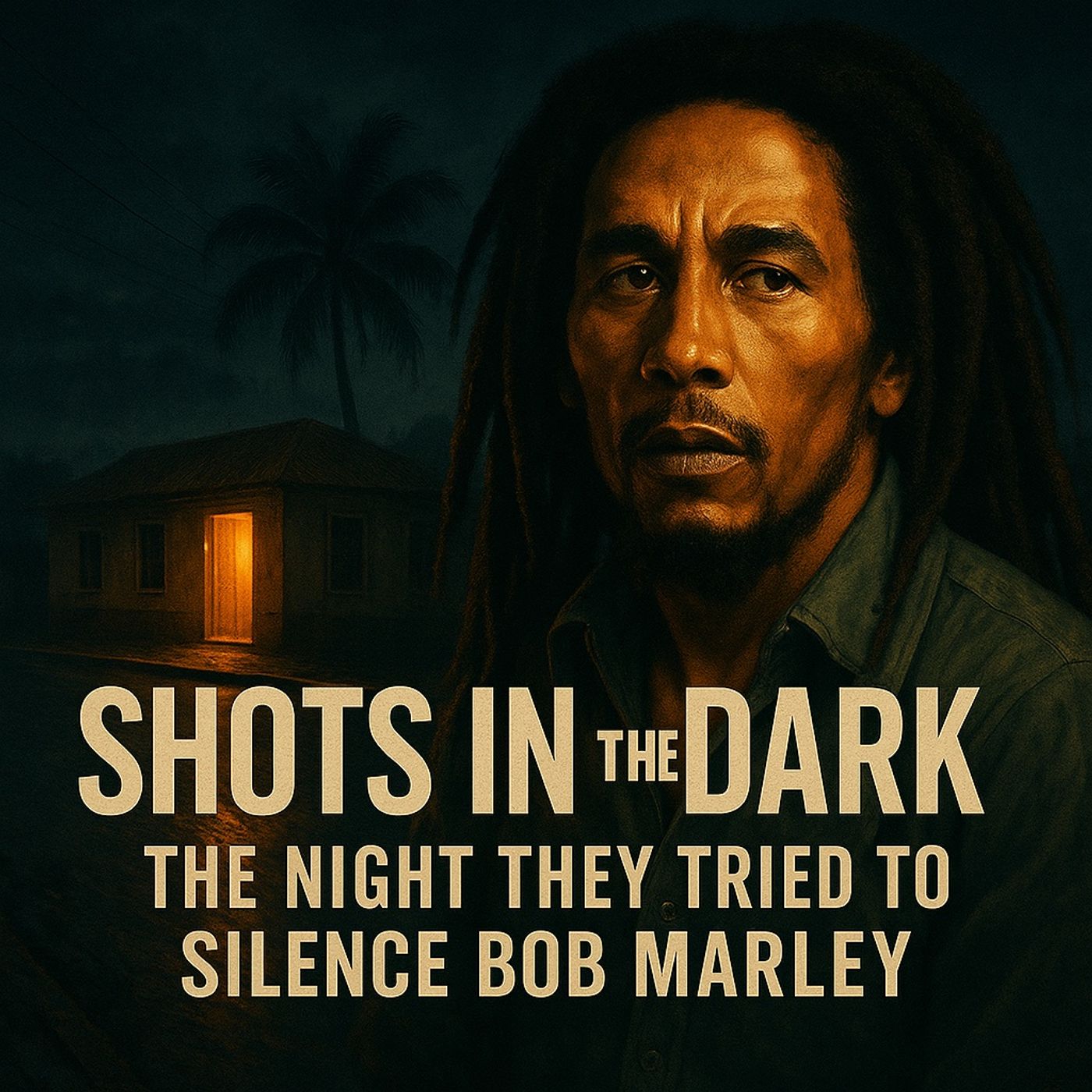
“Shots in the Dark – The Night They Tried to Silence Bob Marley” is a powerful, emotionally gripping true story that plunges listeners into...
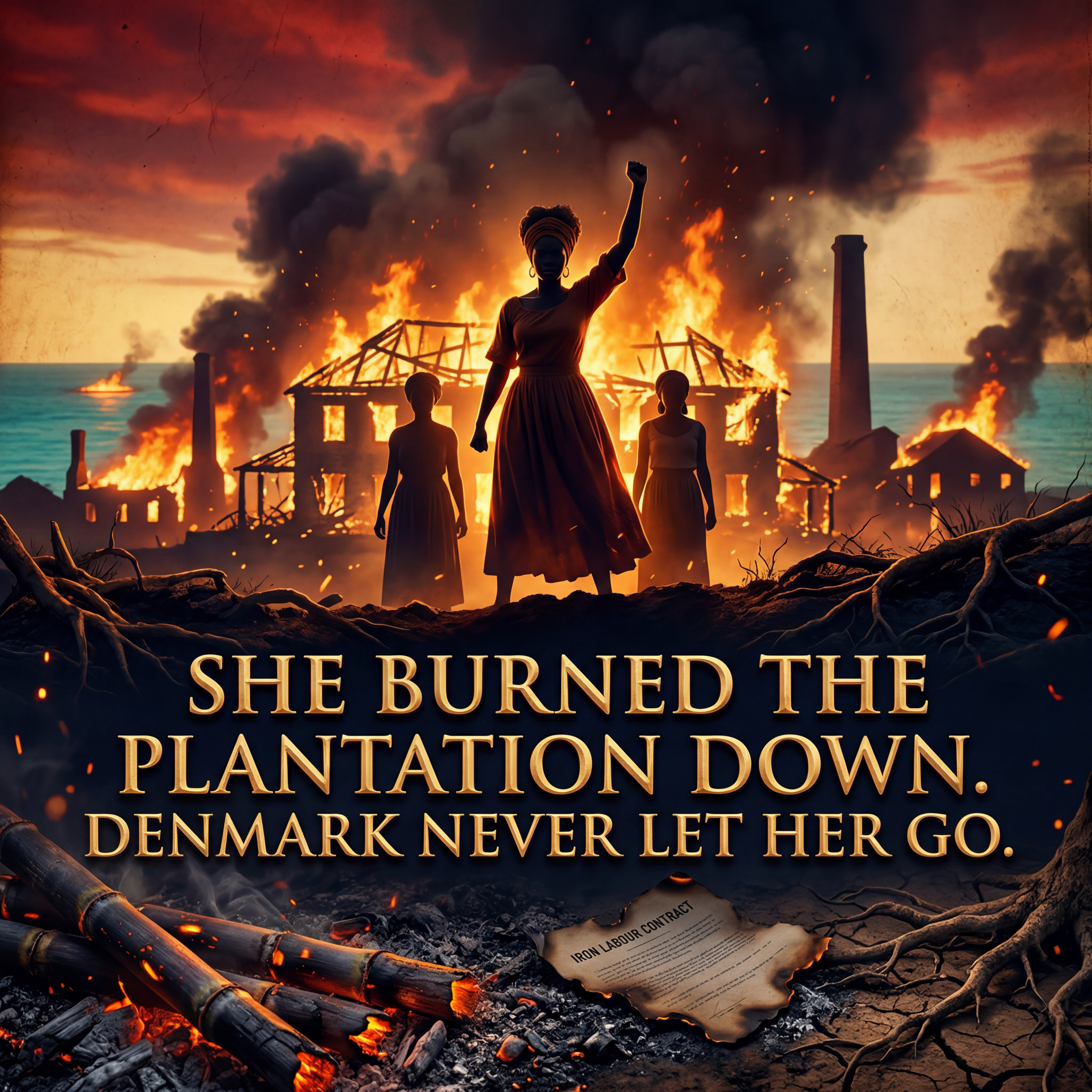
In October 1878, three women known as the Fire Queens led 300 workers in burning 53 sugar estates across St. Croix in the Danish...
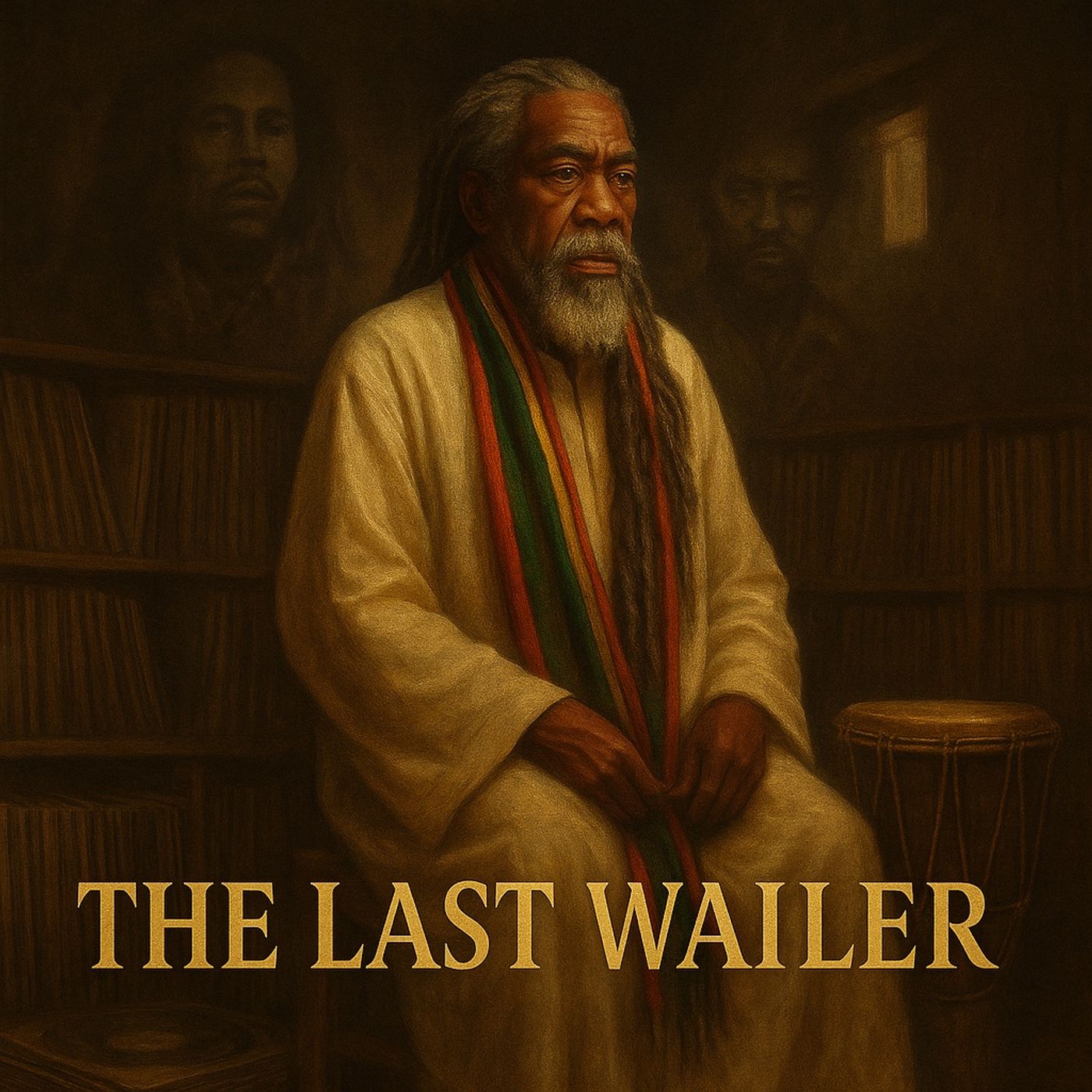
In this soul-stirring fifth insight, Bunny Wailer reflects on the burden of being the last surviving member of the legendary trio: The Wailers. The...