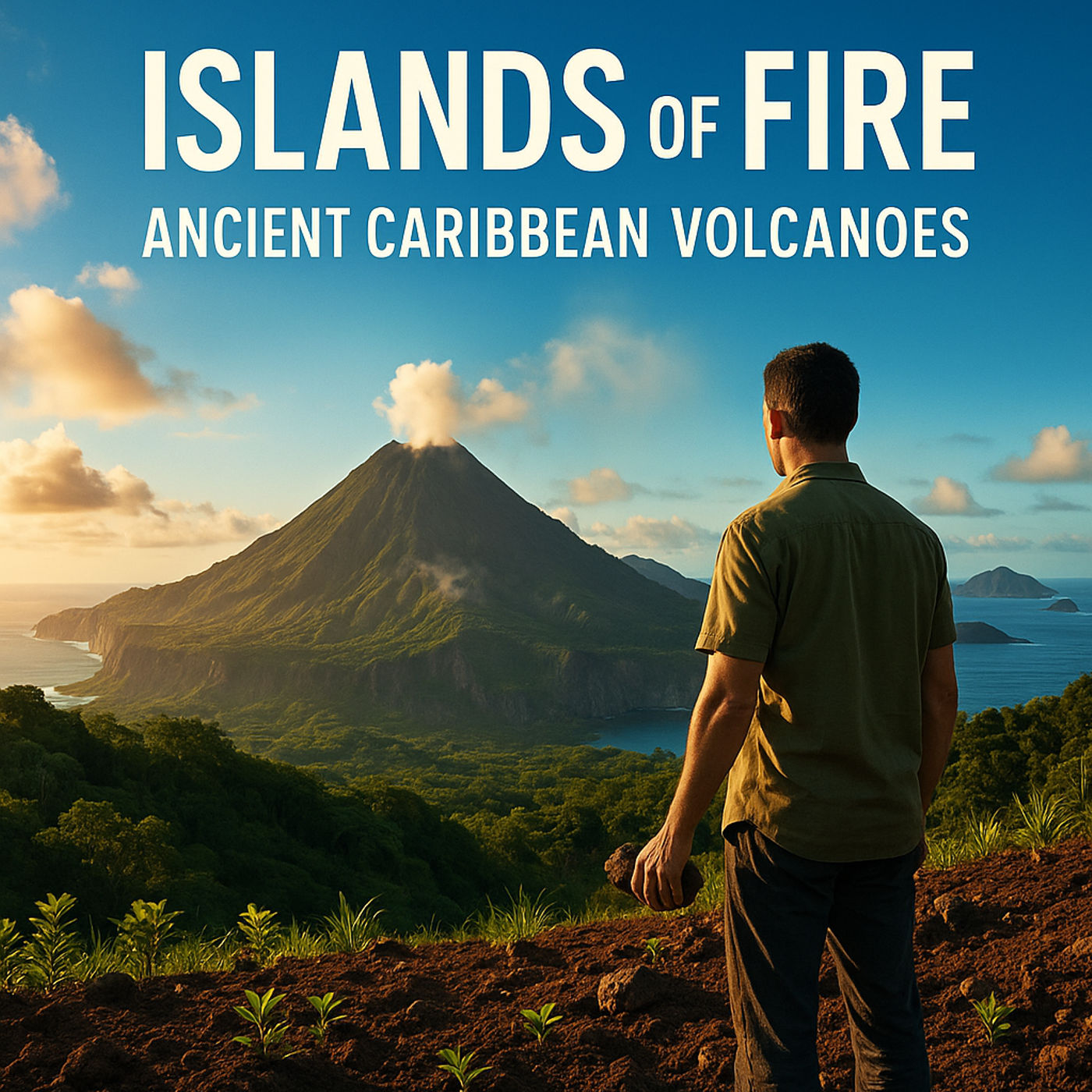
Islands of Fire: How Volcanoes Shaped the Ancient Caribbean Map explores how volcanic forces built the islands of the Lesser Antilles and influenced the earliest movements of people across the region. Through a field-based narrative, the series follows the birth of volcanic peaks, the migrations shaped by eruptions, and the ways ancient Caribbean communities interpreted the earth’s signals. It also examines how volcanic ash evolved into fertile soil that supported early agriculture. This is a grounded, cultural history account that connects geology, archaeology, and human resilience.
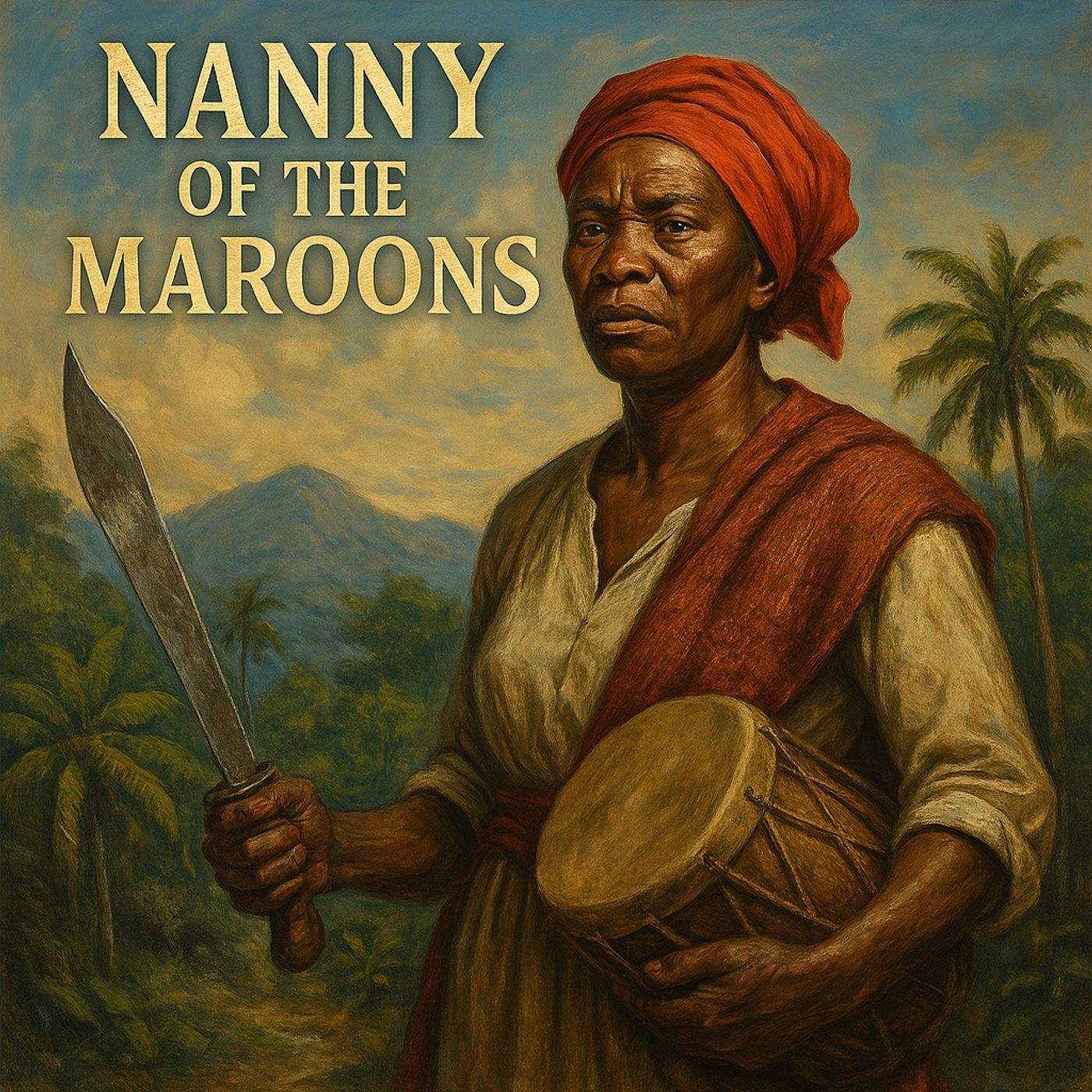
Step into the misty mountains of Jamaica and uncover the untold legacy of one of history’s fiercest revolutionaries—Queen Nanny of the Maroons. More than...
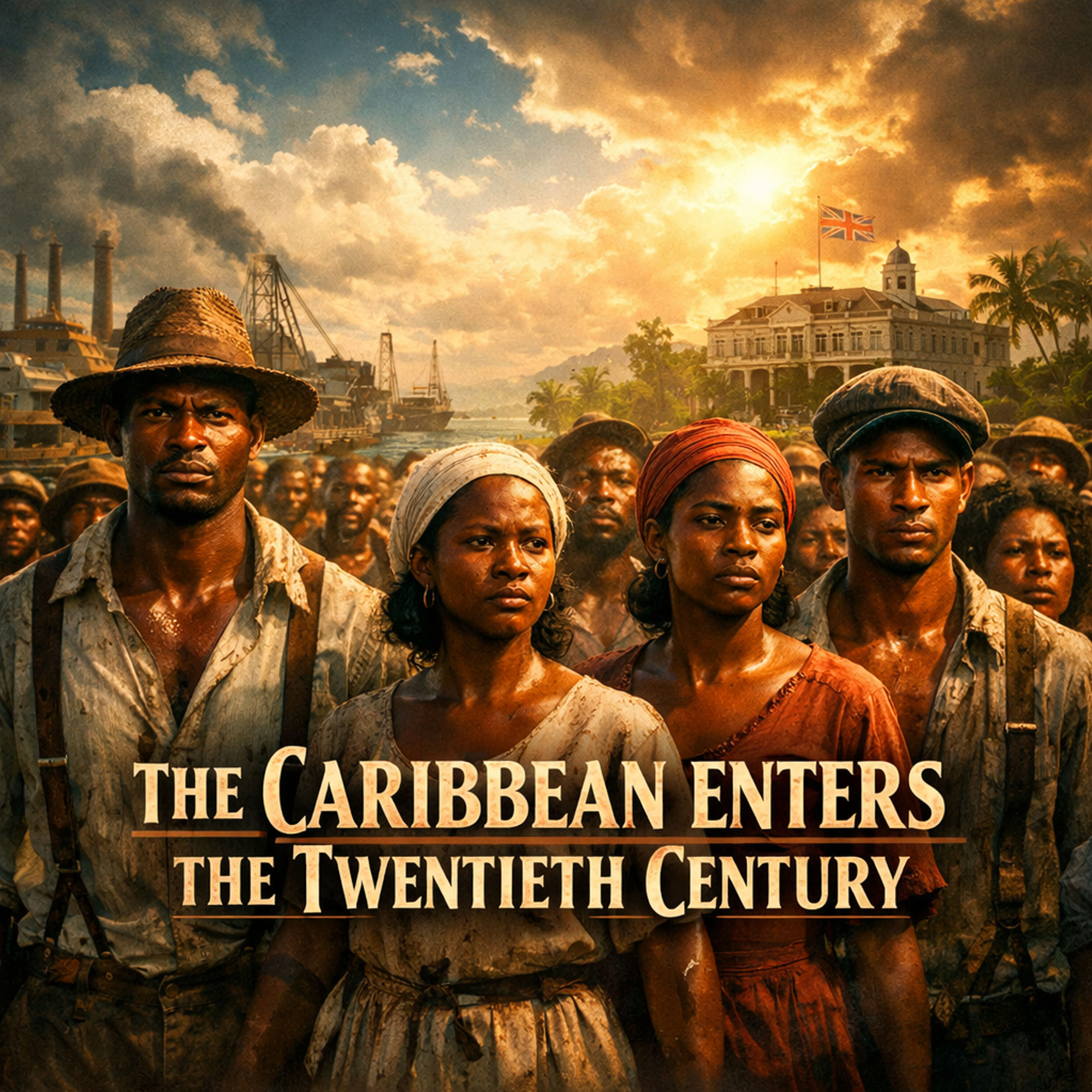
This episode traces the Caribbean’s entry into the twentieth century as a period of awakening rather than arrival. Between nineteen hundred and nineteen thirty...

Character analysis reveals that every decision we make in isolation reflects our true self. Understand how voting defines you. This video explores the psychology...