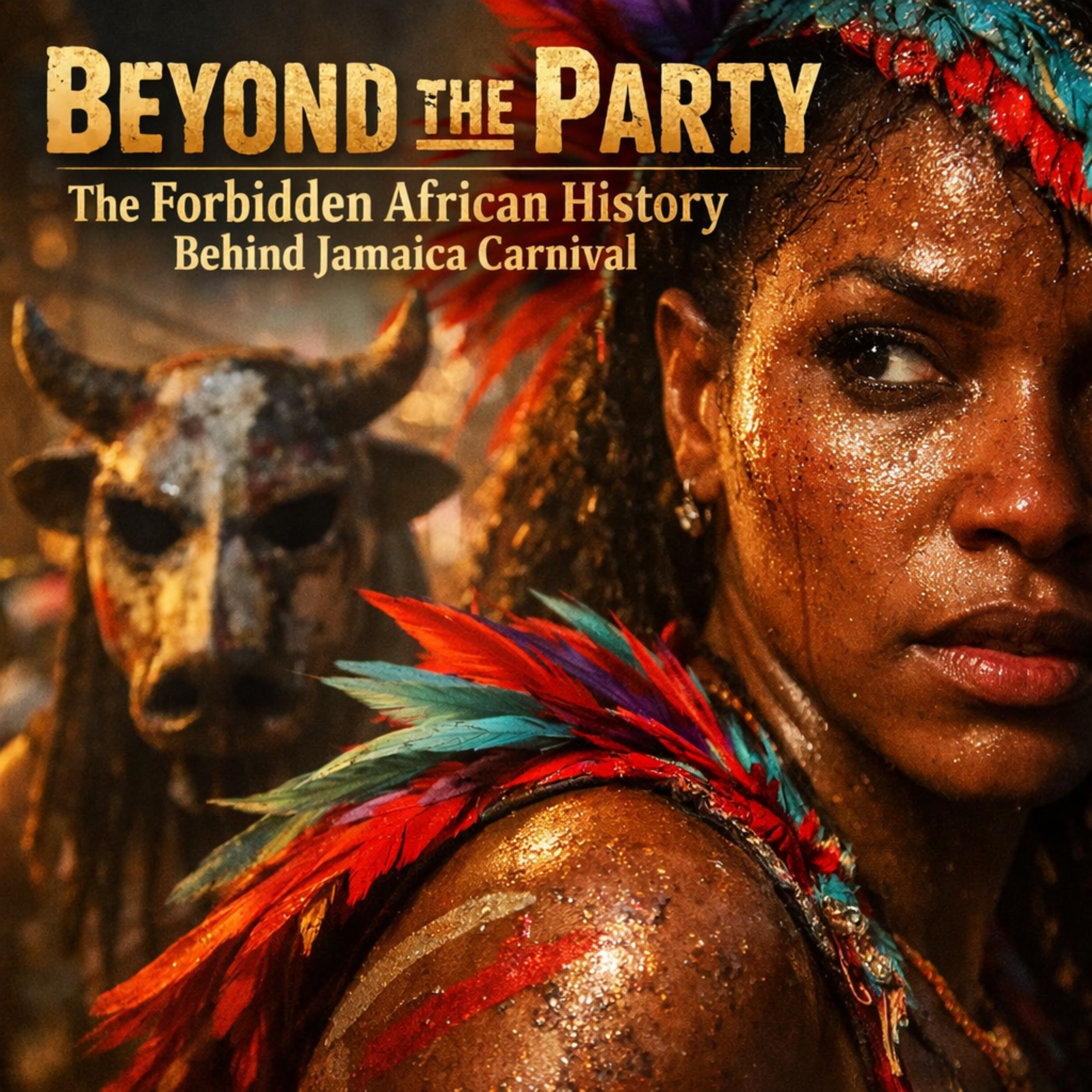
Jamaica Carnival in March 2026 looks like pure party—feathers, glitter, soca, and road marches through Half-Way-Tree and New Kingston. But behind the costumes and corporate branding is a much older story the cameras almost never show: African resistance, Jonkonnu masquerade, plantation memory, and the quiet fight over who really owns Jamaica’s streets.
In this episode of “The History of the Caribbean,” we go beyond the flyers and tourism ads to trace how Carnival evolved from European pre-Lenten rituals into a weapon of survival for enslaved Africans, and how Jamaica—already rich with Jonkonnu, mento, sound systems, and rebellion—only formally embraced “Carnival” in 1990. We connect Trinidad’s Canboulay riots, Afro-Caribbean masking traditions, and Jamaica’s own festival language to the modern Carnival in Jamaica that city officials now regulate with routes, permits, and tourism metrics.
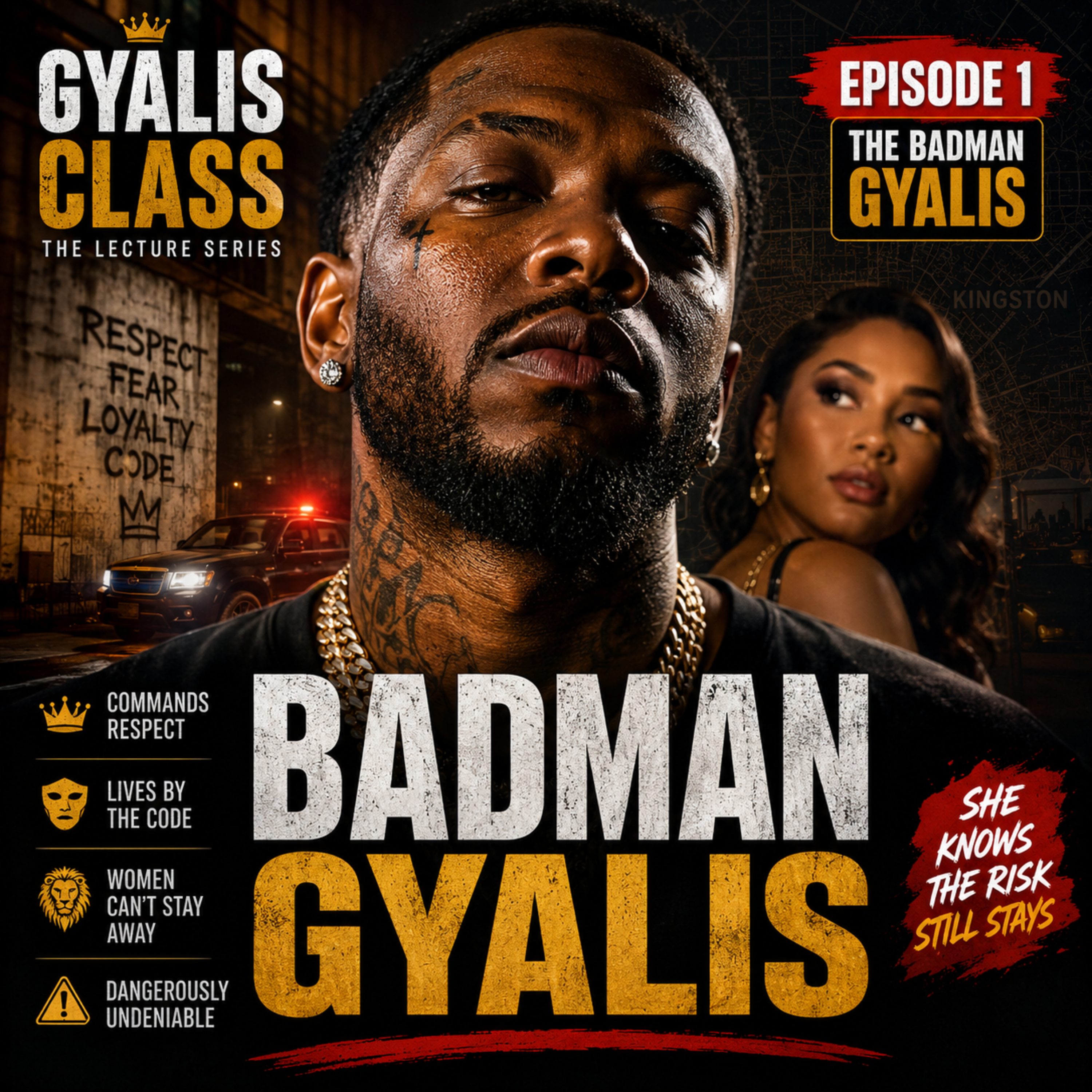
Master the Gallus class to identify exactly what type of man you are dealing with. Stop guessing and start analyzing male behavior. Most men...
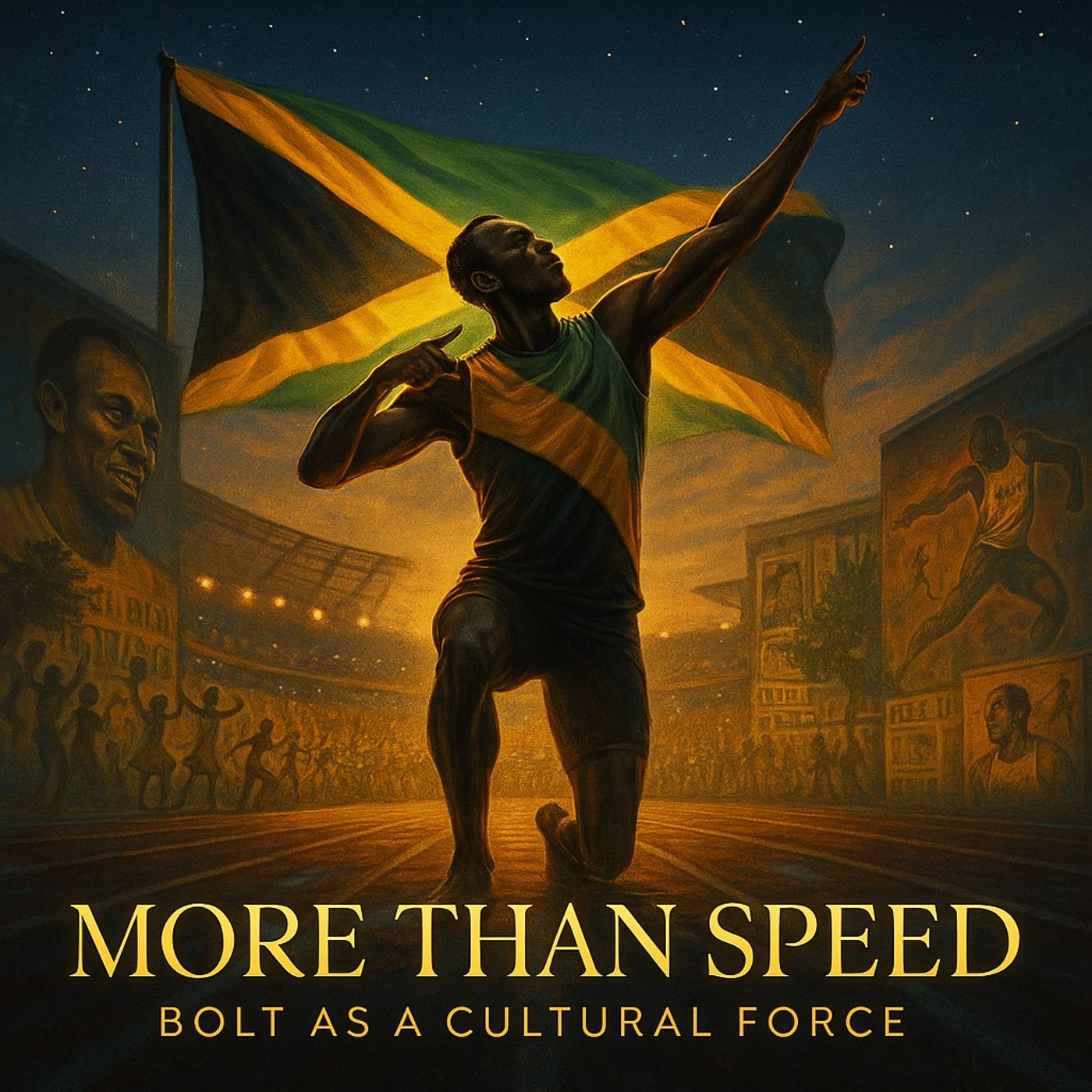
He broke more than records—he broke cultural boundaries. In this profound 20-minute audiobook insight, we explore how Usain Bolt transcended sports to become a...
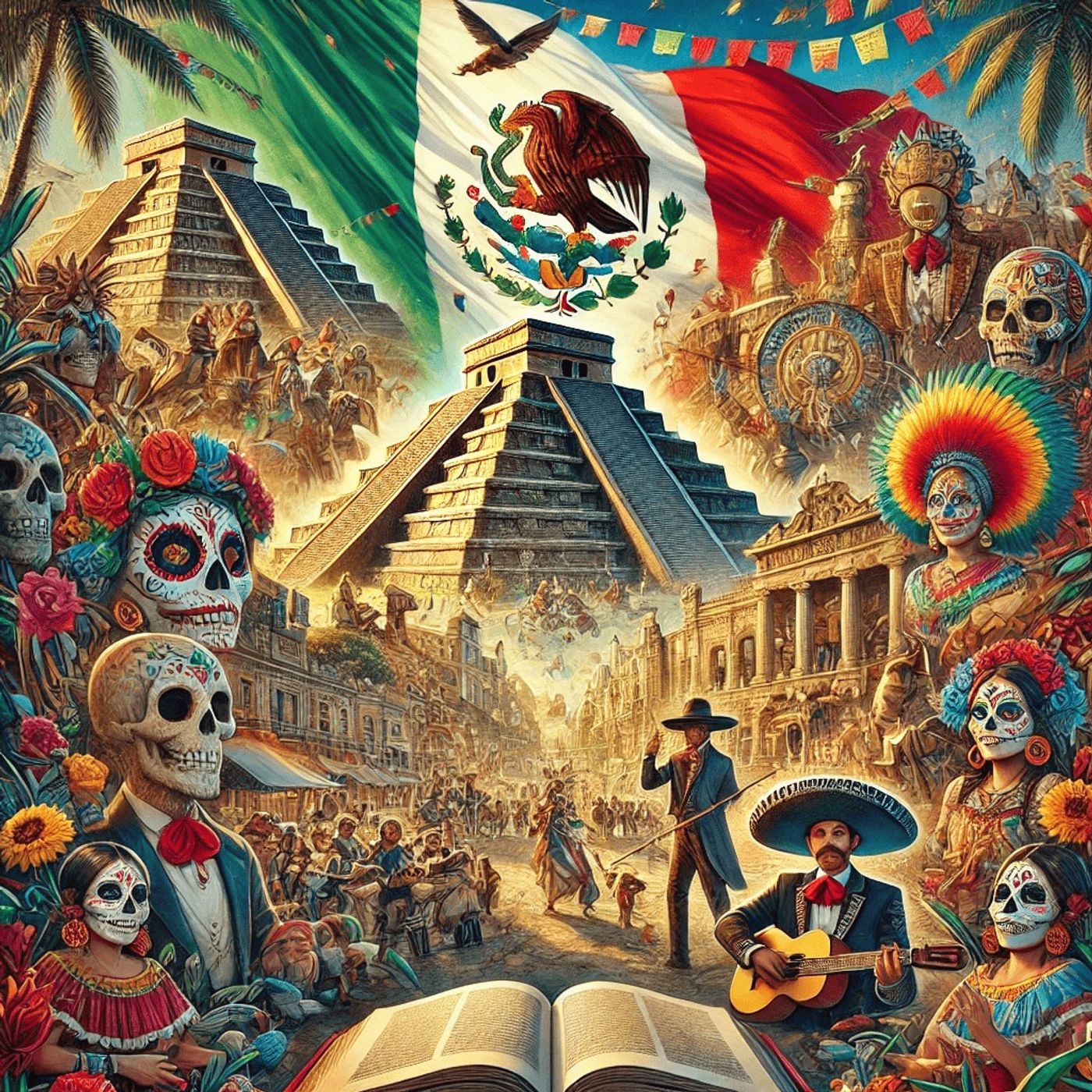
This chapter explores Mexico's transformation in the 21st century, from the fall of the PRI's absolute rule to the rise of democracy, the devastating...