In this episode of THE HISTORY OF THE CARIBBEAN, we explore the high-stakes era between nineteen seventy and nineteen ninety-nine when music became a battlefield for free speech across Jamaica and Trinidad. As governments in Kingston and Port of Spain realized the power of a three-minute track to expose corruption and mobilize the masses, they responded with heavy-handed censorship, radio bans, and the legislative weight of the Radio and Television Act. This documentary-style journey uncovers the secret history of the Frequency Killers at the Jamaica Broadcasting Corporation and the Calypso Censors who attempted to silence the social commentary of the tents, revealing a gritty reality where the state tried to sanitize our national identity by turning off the transmitter.
Why the Caribbean Still Matters Globally challenges the idea that the region is small, peripheral, or finished with history. From the nineteen hundreds to...
This three-part documentary traces the Caribbean back to a time before memory, before settlement, before names. It examines how volcanic fire, shifting seas, and...
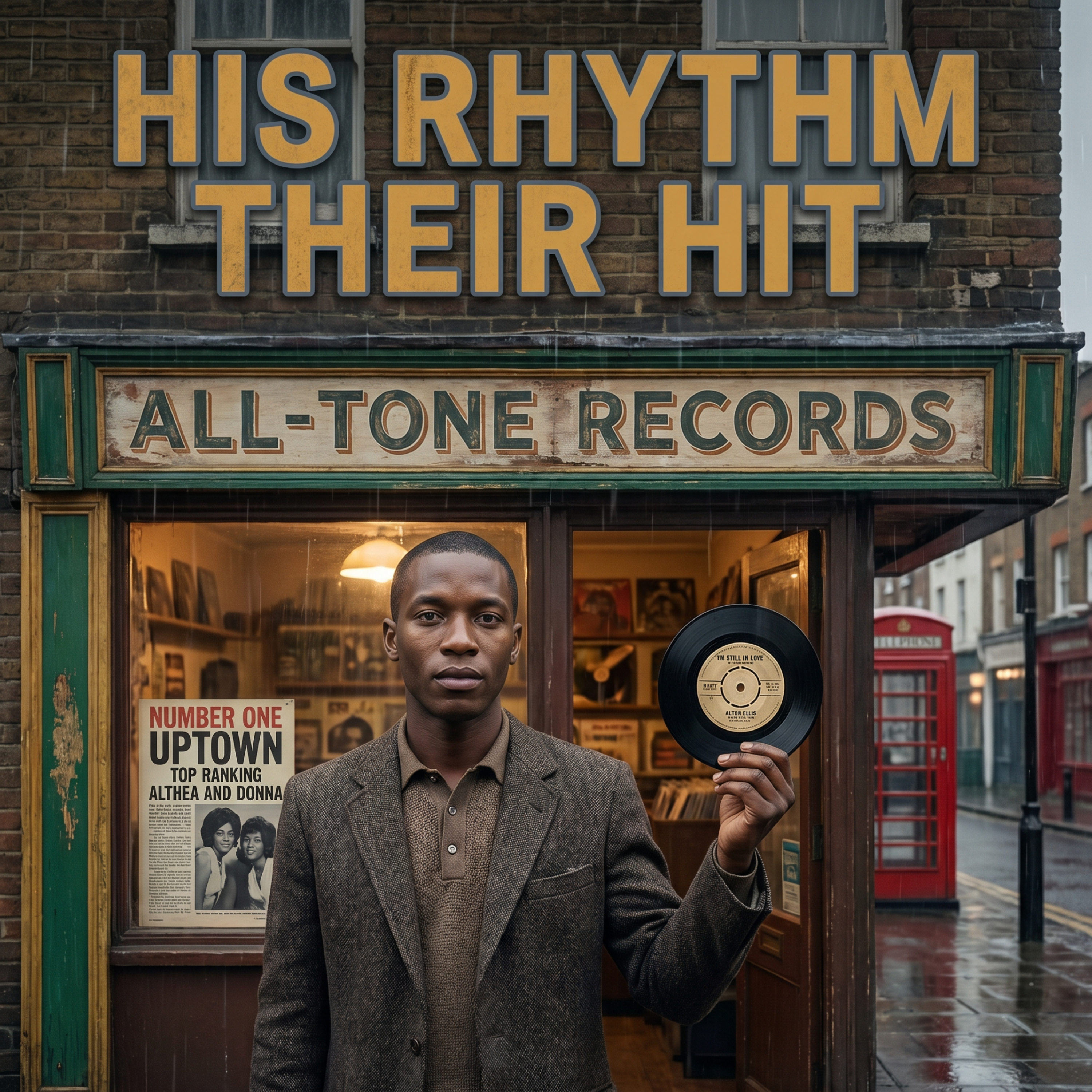
In 1972 Alton Ellis moved to London and opened All-Tone Records in Brixton. Six years later, two teenagers rode his rhythm to UK number...